Archive topic

Cryptids & Animal Reports

Reported unknown animals, disputed survivals and comparison cases showing how zoological evidence turns a creature story into a testable claim.

Cryptids & Animal Reports14 entries
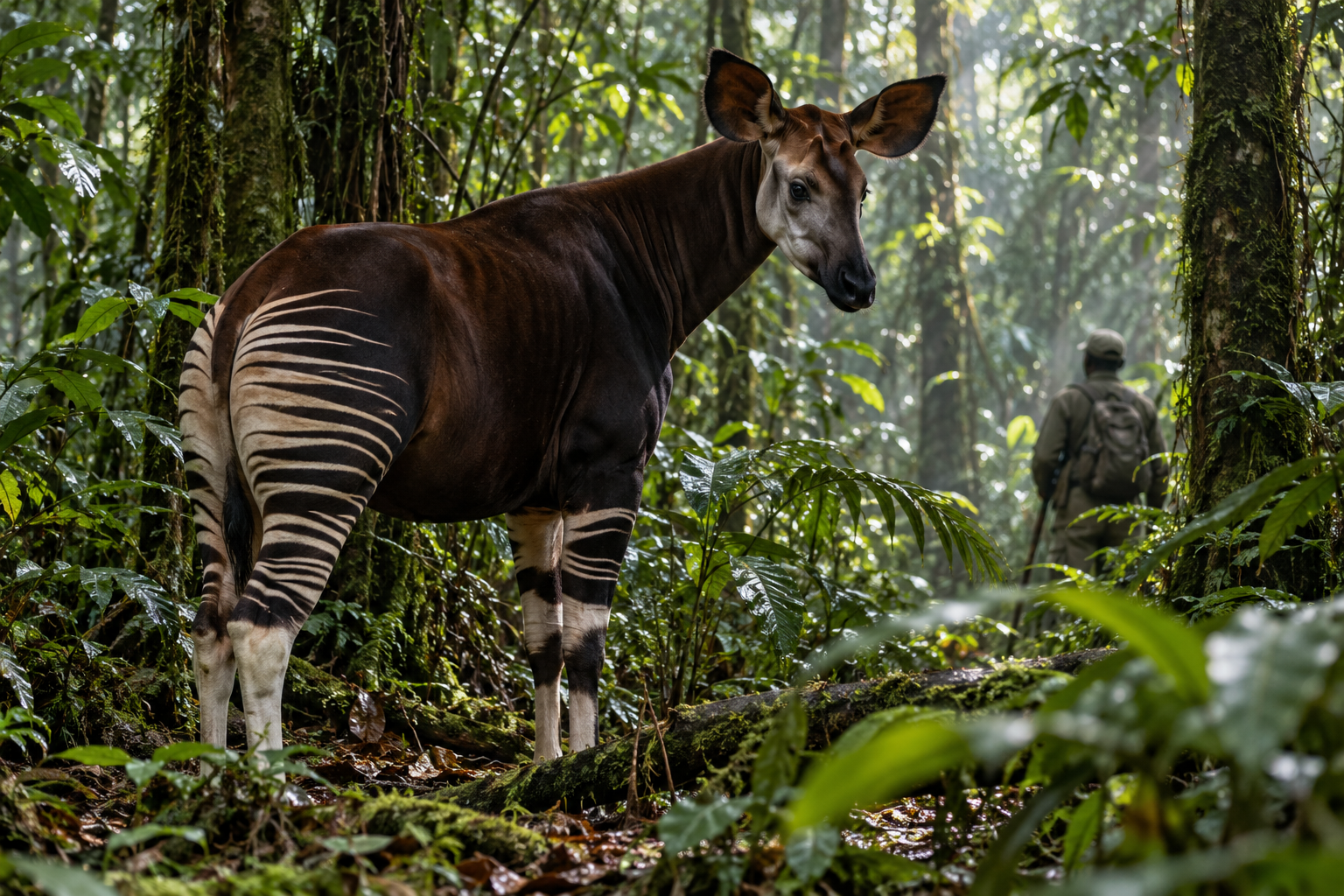
The Okapi: A Known Animal Reintroduced to Western Science feature image

Cryptids & Animal Reports

The Okapi: A Known Animal Reintroduced to Western Science

Skin, skull and later living observations established the okapi as a giraffid. The evidence was gathered through Indigenous expertise within a colonial system that long credited outsiders more than local knowledge.
explainedpublicIturi Forest; representative Okapi Wildlife Reserve pinFormal zoological description in 1901; Indigenous knowledge long predates it
The Thylacine After 1936: Survival Reports Without a Specimen feature image

Cryptids & Animal Reports

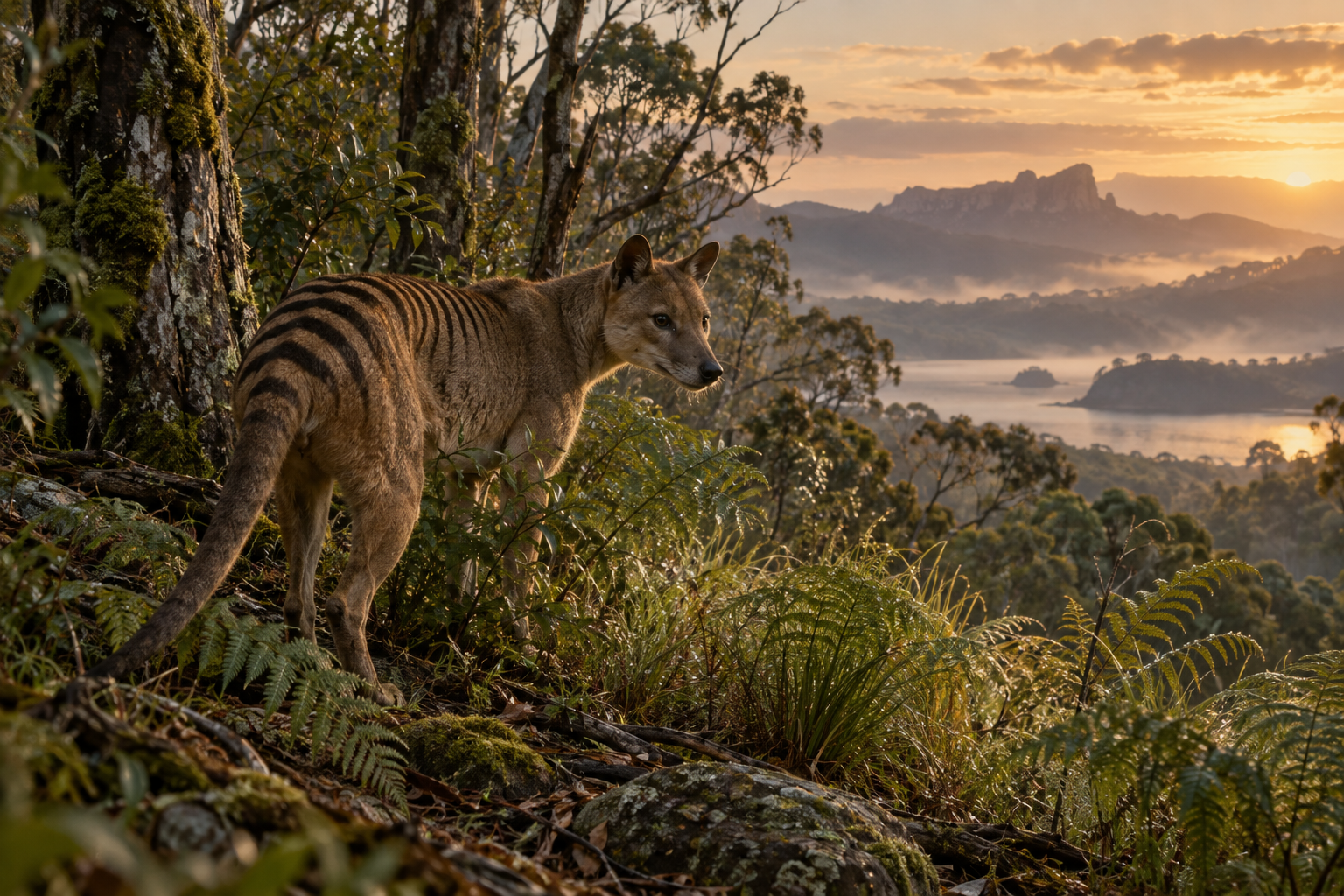
The Thylacine After 1936: Survival Reports Without a Specimen

The thylacine is historically real and well documented, but persistence is a separate claim. Habitat, witness error and search limits leave room for uncertainty while the continuing absence of diagnostic evidence weighs against survival.

uncertainpublicTasmania; representative central-western pin1936 to present
The Giant Squid: How a Sea Monster Became a Measured Animal feature image

Cryptids & Animal Reports

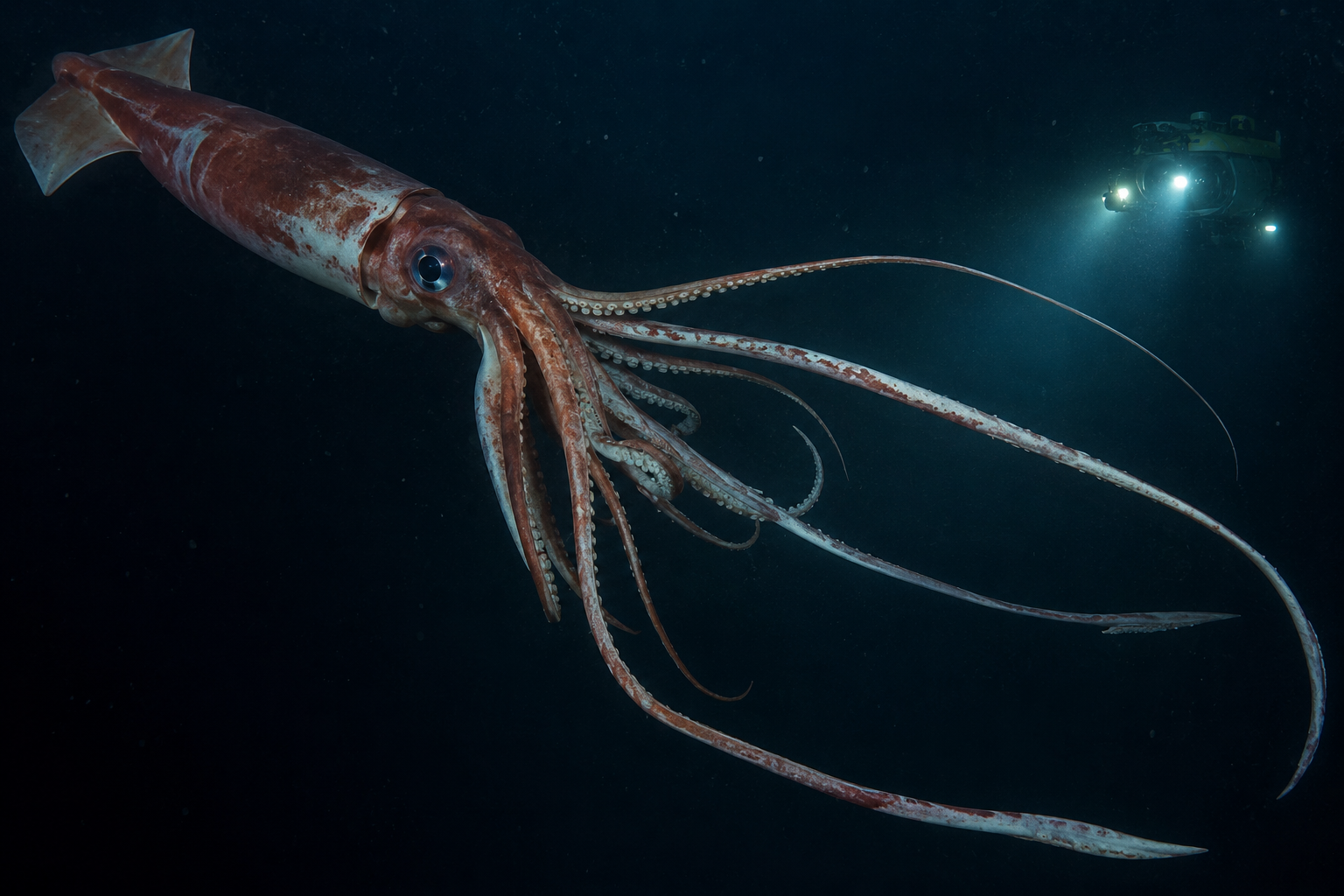
The Giant Squid: How a Sea Monster Became a Measured Animal

Giant squid demonstrate that extraordinary animals can be real while legendary behaviour remains unsupported. Specimens, anatomy, DNA and live imaging establish Architeuthis without validating ship-attacking kraken tales.

explainedpublicNorth Atlantic and global deep ocean; representative Newfoundland pinScientific specimens from the 1870s; first wild photographs in 2004
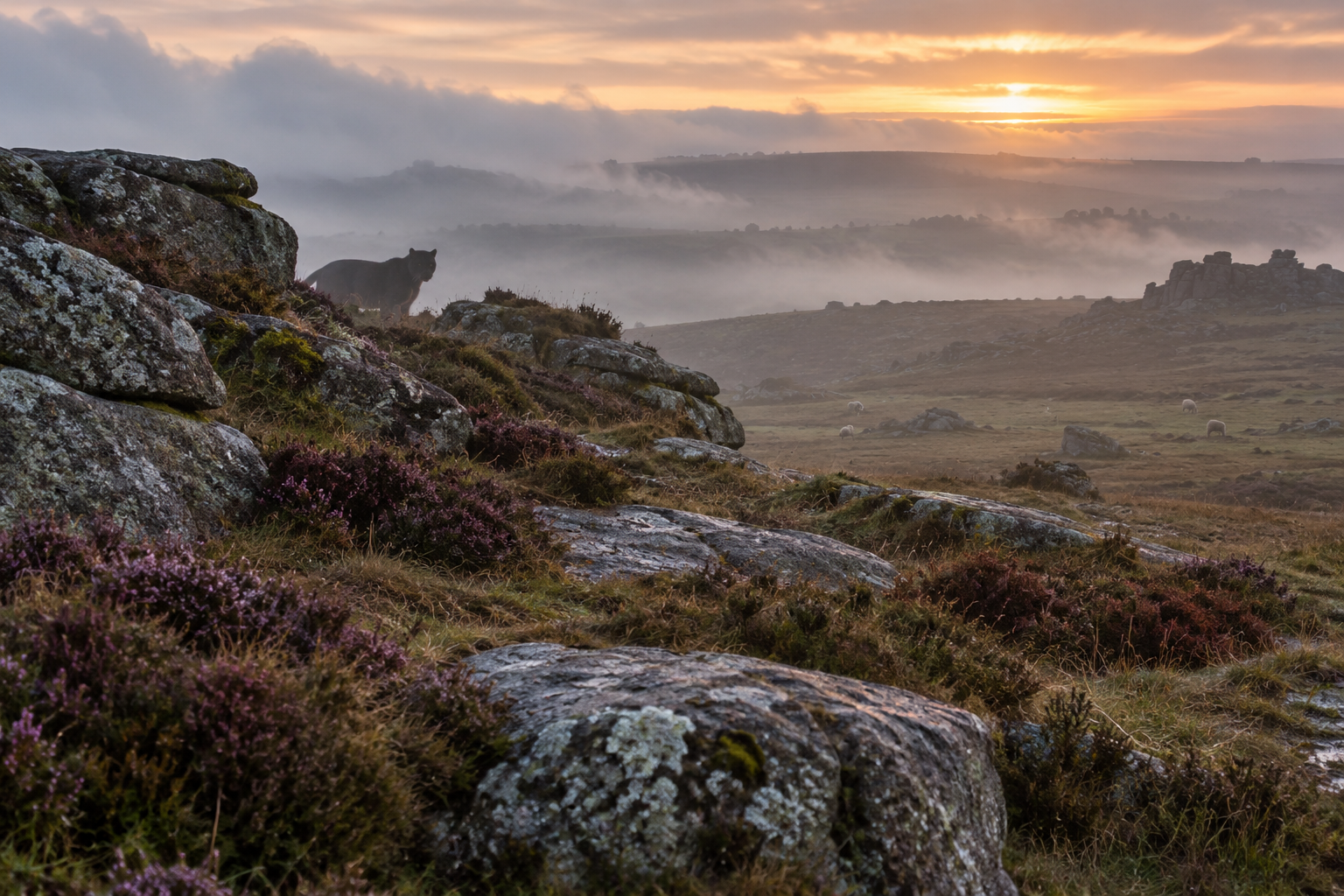
The Beast of Bodmin Moor: Big-Cat Reports Without a Specimen feature image

Cryptids & Animal Reports

The Beast of Bodmin Moor: Big-Cat Reports Without a Specimen

The Beast of Bodmin Moor is a cluster of reports rather than one identified animal. Escaped exotic cats are biologically possible in Britain, but the Bodmin evidence has not established a breeding population or individual specimen.

uncertainpublicBodmin Moor, Cornwall; representative central pinLate twentieth century to present; official inquiry in 1995
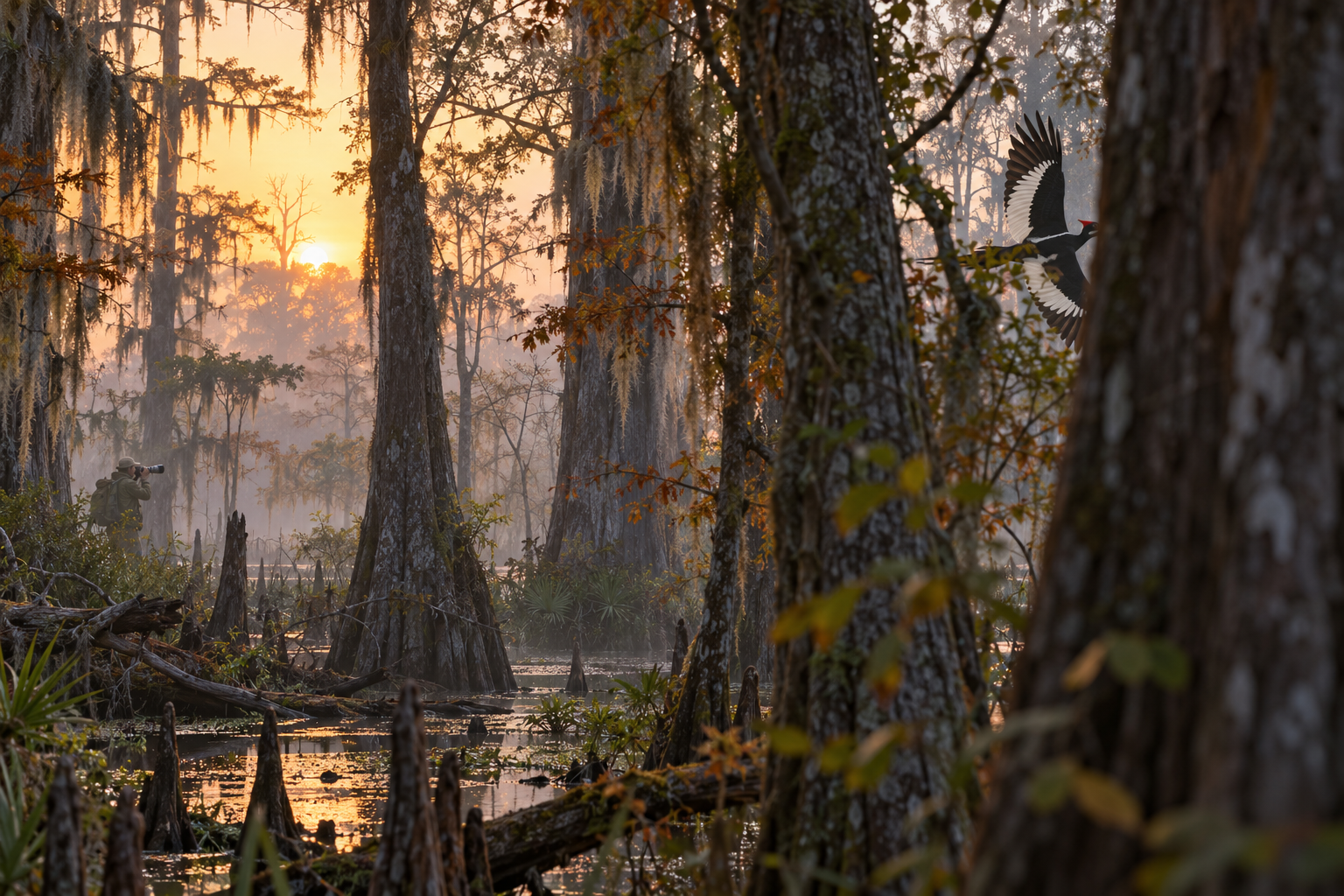
The Ivory-billed Woodpecker: Evidence at the Edge of Extinction feature image

Cryptids & Animal Reports

The Ivory-billed Woodpecker: Evidence at the Edge of Extinction

The ivory-billed woodpecker controversy tests how conservation science handles suggestive video, acoustic recordings, expert sightings and the irreversible claim of extinction.

uncertainpublicCache River National Wildlife Refuge, Arkansas; representative search-area pinLast widely accepted U.S. record in 1944; reported rediscovery in 2004–2005
The Tatzelwurm: An Alpine Creature Made in Retelling feature image

Cryptids & Animal Reports

The Tatzelwurm: An Alpine Creature Made in Retelling

The Tatzelwurm is a durable Alpine animal tradition assembled from inconsistent sightings, regional names and later illustration. Familiar wildlife and folklore explain more than an undiscovered species.

folklorepublicAare Gorge, Bernese Oberland; representative Alpine folklore pinRecorded in eighteenth- and nineteenth-century tradition; continuing folklore
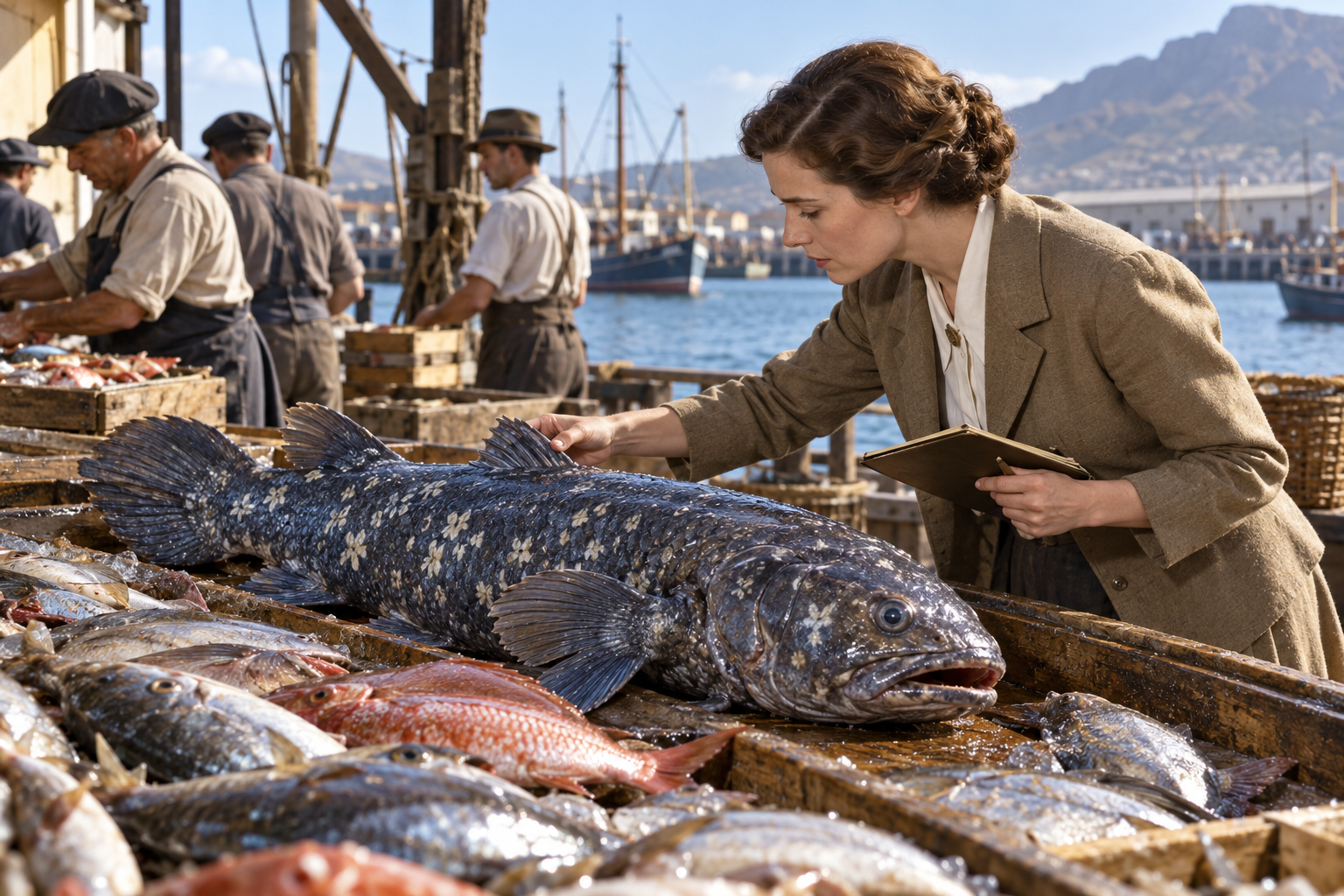
The Coelacanth: Rediscovery Without the “Living Fossil” Myth feature image

Cryptids & Animal Reports

The Coelacanth: Rediscovery Without the “Living Fossil” Myth

The 1938 coelacanth was a genuine zoological surprise. Its rediscovery demonstrates gaps in sampling while modern genetics corrects the misleading idea of a species frozen in time.

explainedpublicEast London harbour, Eastern Cape; representative discovery-context pin22 December 1938; scientific description in 1939
The Saint Augustine Monster: From Giant Octopus to Whale Tissue feature image

Cryptids & Animal Reports

The Saint Augustine Monster: From Giant Octopus to Whale Tissue

The Saint Augustine Monster was a real stranded carcass whose decayed form misled early observers. Preserved samples support degraded whale tissue, not a giant octopus.

explainedpublicAnastasia Island near St Augustine, Florida; approximate discovery-area pinNovember 1896–1897; modern testing in 1995
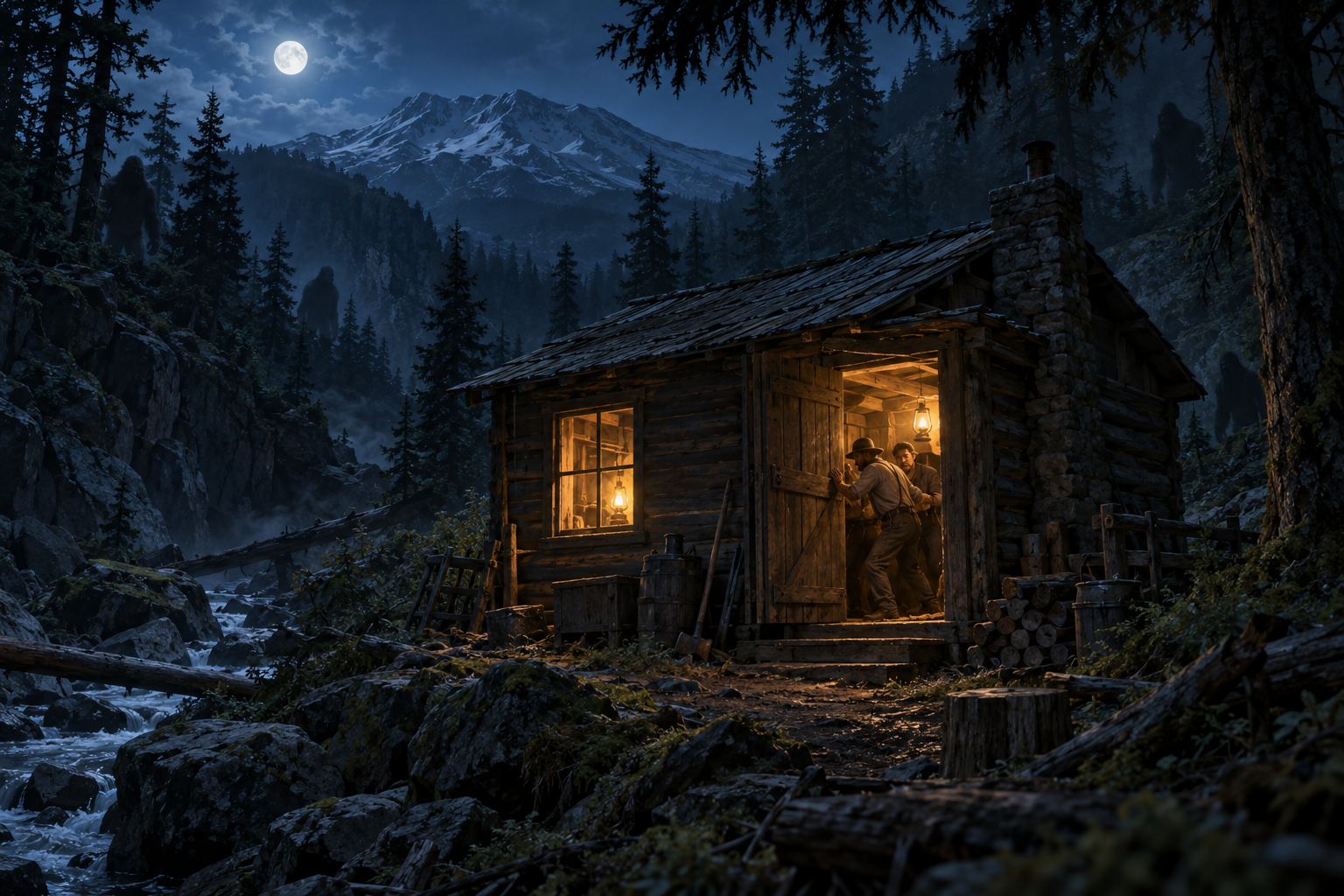
Ape Canyon: Miners, Stones and the Night on Mount St Helens feature image

Cryptids & Animal Reports

Ape Canyon: Miners, Stones and the Night on Mount St Helens

The Ape Canyon incident became a foundation story in Pacific Northwest Bigfoot lore. The miners were identifiable, but the creatures and attack survive through testimony and press retelling.

folklorepublicApe Canyon, Mount St Helens; approximate historic mining-area pinJuly 1924
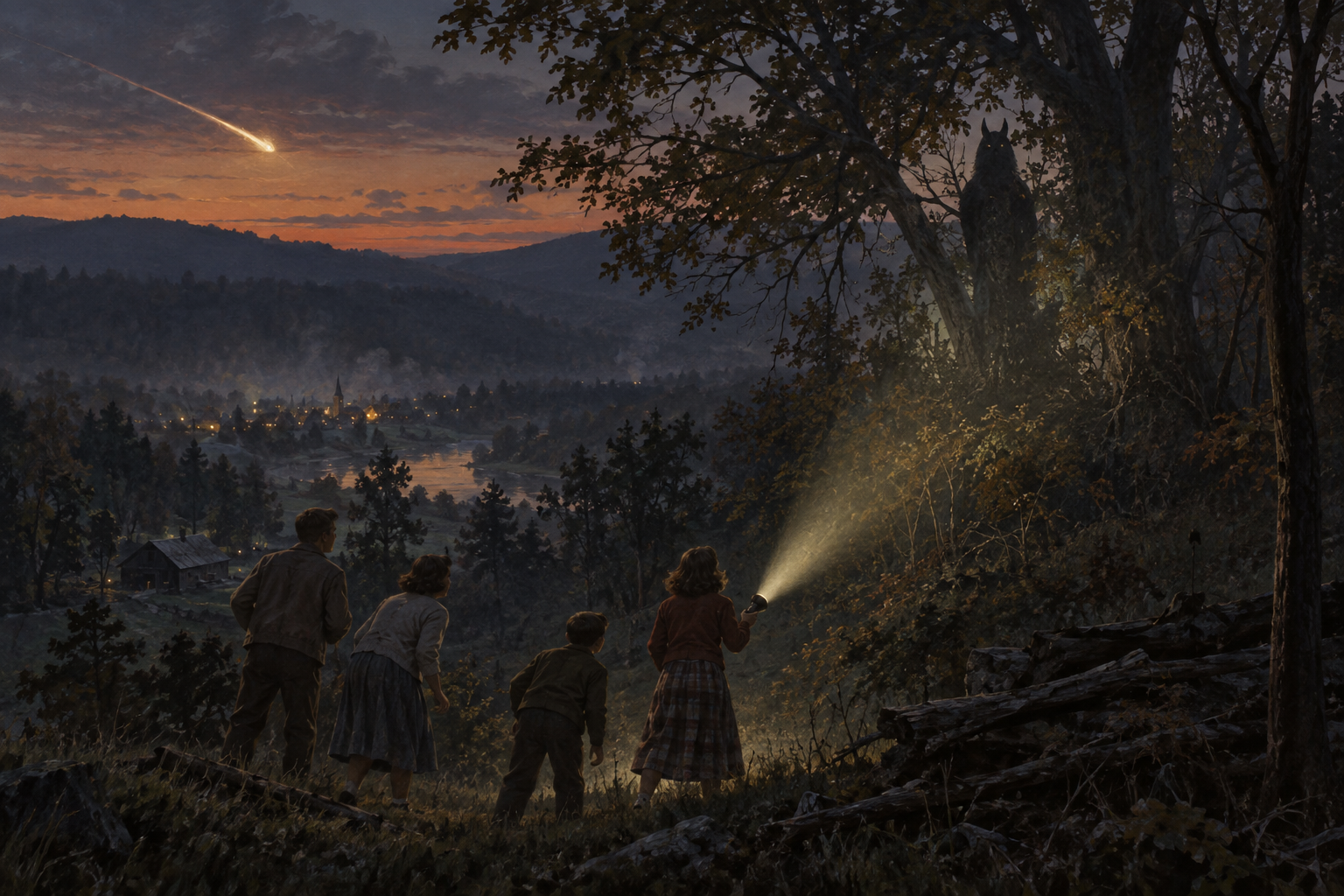
The Flatwoods Monster: Light, Vapour and an Owl-Shaped Figure feature image

Cryptids & Animal Reports

The Flatwoods Monster: Light, Vapour and an Owl-Shaped Figure

Witnesses near Flatwoods reported a bright object, irritating mist and a tall, glowing-eyed form on 12 September 1952. A meteor and startled owl explain much, but not by direct proof.

disputedpublicFlatwoods, Braxton County, West Virginia; representative town pin12 September 1952
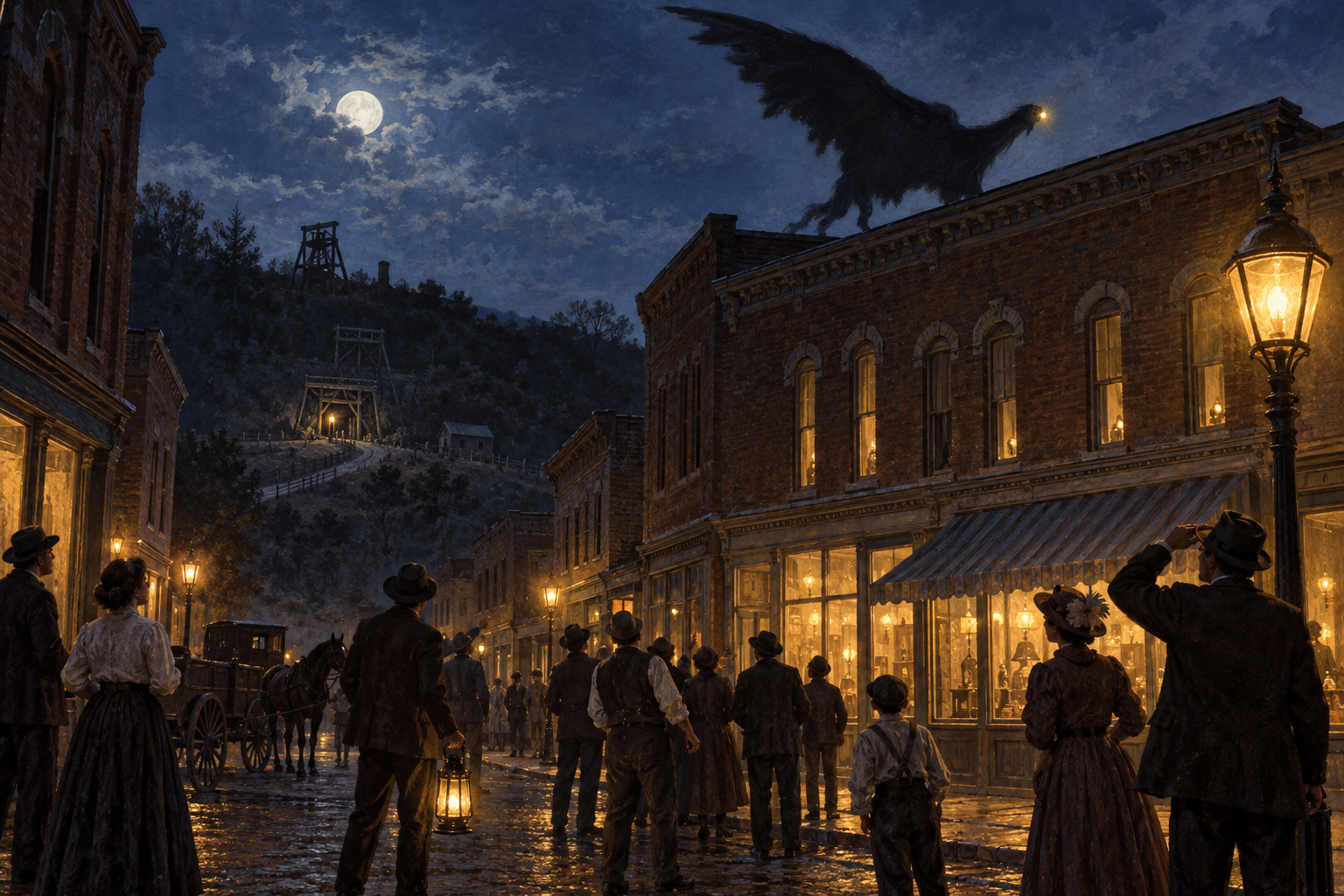
The Van Meter Visitor: A Creature Built in the Newspapers feature image

Cryptids & Animal Reports

The Van Meter Visitor: A Creature Built in the Newspapers

Reports from Van Meter told of a horned, winged figure and a mine confrontation in September 1903. Period newspapers preserve the story, but independent corroboration is difficult to establish.

folklorepublicVan Meter, Dallas County, Iowa; representative town pinSeptember 1903
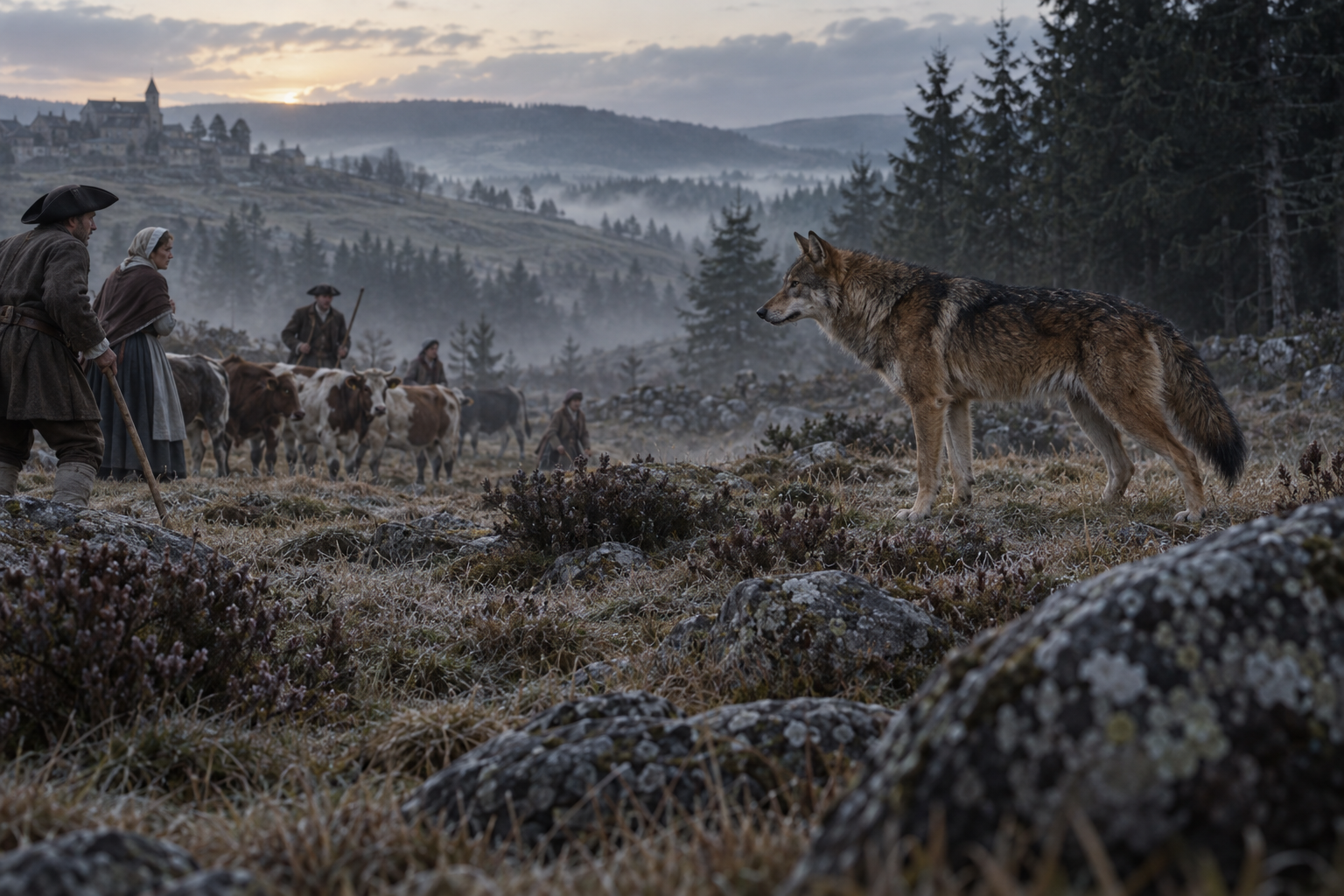
The Beast of Gévaudan: Predators, Panic and the Making of a Monster feature image

Cryptids & Animal Reports

The Beast of Gévaudan: Predators, Panic and the Making of a Monster

Lethal attacks in Gévaudan prompted royal hunts and national coverage from 1764 to 1767. The deaths are historical; whether one unusual animal caused them is disputed.

disputedpublicGévaudan attack region; representative pin at Saugues1764–1767