Cryptids & Animal Reports
Ape Canyon: Miners, Stones and the Night on Mount St Helens
The Ape Canyon incident became a foundation story in Pacific Northwest Bigfoot lore. The miners were identifiable, but the creatures and attack survive through testimony and press retelling.
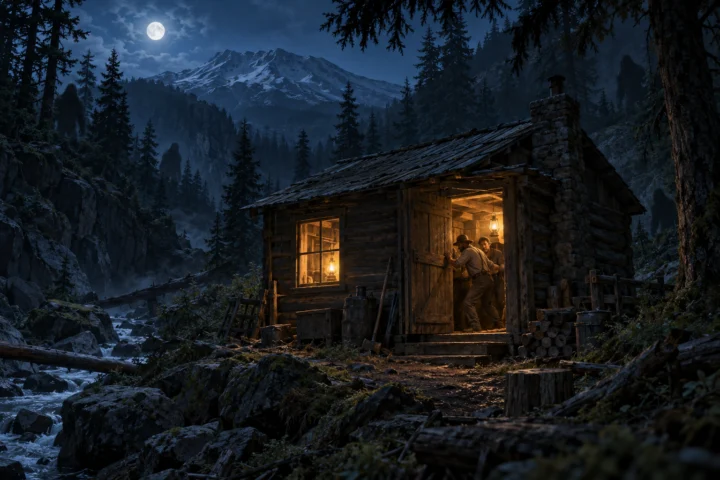
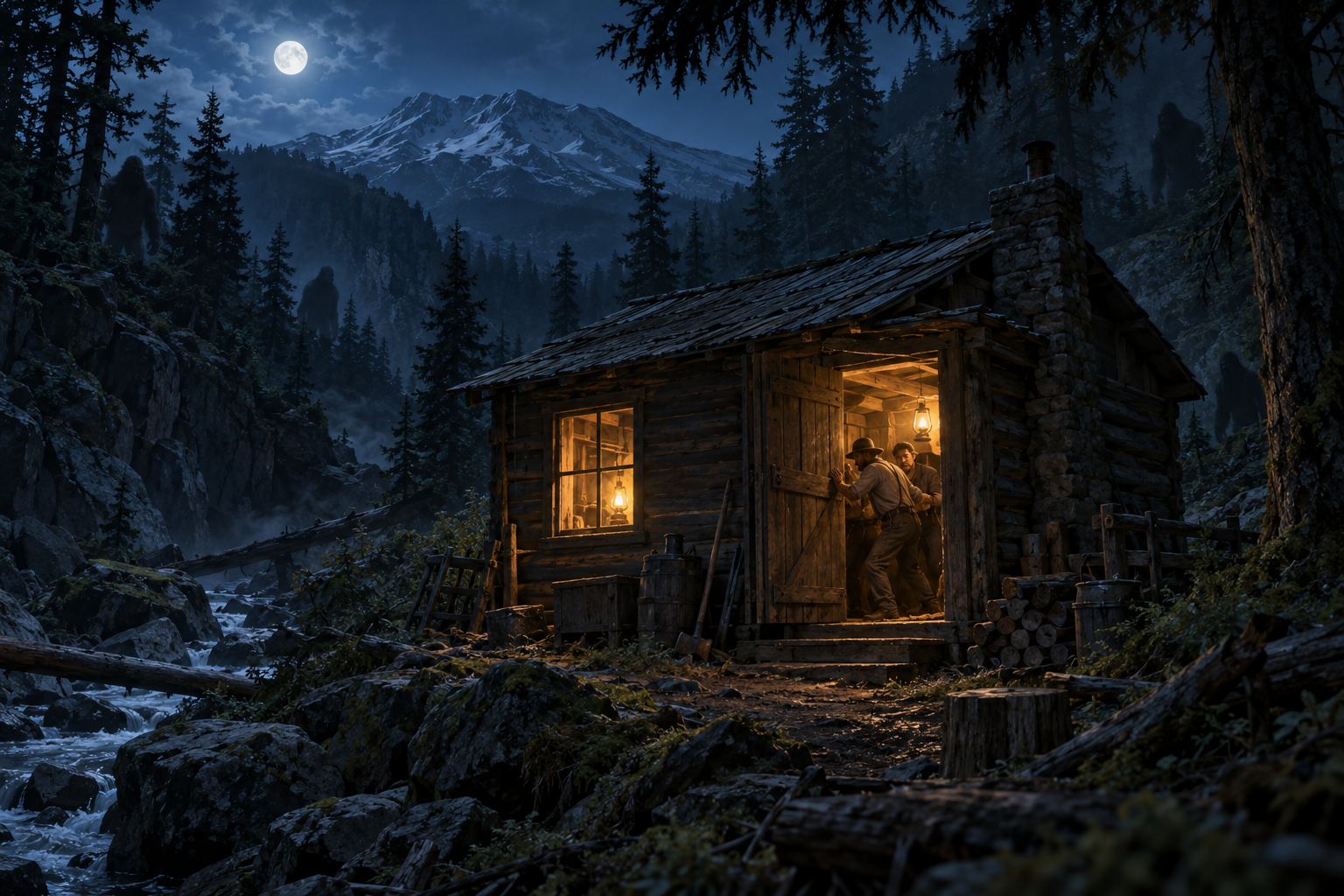
In July 1924, a group of prospectors working near Mount St Helens told reporters that large, hairy “mountain devils” had attacked their cabin during the night. They described stones striking the roof and walls, a creature reaching through an opening, and an earlier encounter in which the men fired at a figure near a ravine.
The miners were real and newspapers reported their story quickly. Searchers found damaged roofing and tracks that were interpreted in different ways. No body, hair sample or preserved footprint cast established an unknown primate. Later accounts changed details and connected the episode to the broader Sasquatch tradition.
Hoaxing by local youths, bears, ordinary wildlife, falling rocks and fear-driven misperception have all been proposed. The miners may also have embellished a frightening night. None of those possibilities can now reconstruct every sound or impact at a cabin whose exact condition was not forensically documented.
Ape Canyon shares the press-driven creature problem of the Jersey Devil, the ominous-animal narrative around Mothman, and the amplification described in newspaper strange tales.
Claim, Context and Cautions
The prospectors’ account
Fred Beck and his companions said they saw a tall hairy figure before the cabin siege and fired at it. During the night, stones hit the structure and something appeared to test the walls, roof and door. At dawn they left the area.
The broad sequence appeared in period reporting. Exact numbers, distances and later spiritual interpretations belong to different stages of the story.
What searchers could inspect
Visitors reported damage to the cabin and marks in the area, but the scene had not been secured. Footprints in volcanic terrain can degrade quickly, and newspaper descriptions are not a substitute for measured casts, photographs with scale and documented custody.
The inspection supported that stones and disturbance were present. It did not identify who or what caused them.
Bears, people and canyon acoustics
Bears can stand upright, approach camps and make powerful noises. People throwing rocks from darkness could exploit steep terrain, and echoes can move the apparent source of impacts. A deliberate prank has therefore remained a common explanation.
Each model accounts for parts of the night. No contemporary confession or decisive animal trace selected one.
How later memory reshaped the event
Beck retold the episode across decades and eventually added paranormal ideas that were not central to the earliest newspaper version. Regional Bigfoot culture also supplied a stable identity—Sasquatch—for creatures originally described with several names.
Later sincerity cannot preserve every 1924 perception unchanged. Comparing versions is essential to seeing the narrative grow.
A foundation story, not a specimen
Ape Canyon became one of the best-known pre-1958 stories in the modern Bigfoot canon and gave the landscape an enduring name. Its cultural influence is secure.
The biological claim remains unsupported by recoverable physical evidence. The responsible classification is folklore anchored to named witnesses, a real mining camp and a datable press event.
Reference trail
Sources
- HistoryLink, “Ape Canyon attack makes headlines in 1924” (opens in a new tab)Washington State historical essay comparing contemporary reporting, named witnesses and later versions.
- Mount St. Helens Institute, Ape Canyon (opens in a new tab)Regional landscape and story context; used for place history rather than proof of a creature.
- The Columbian, centenary history of the Ape Canyon report (opens in a new tab)Regional historical reporting reviewing the 1924 press record and the incident’s later Bigfoot significance.
- U.S. Forest Service, Ape Canyon Trail (opens in a new tab)Official geographic context for the modern place name and volcanic terrain.
Case Book
Photographs, Maps and Supporting Images
Supporting images provide documentary, geographic or visual context. Read each caption for its date, source and evidential limits.

Continue researching
Follow the evidence, context and comparisons
Curated connections
Selected editorially for this entry.
The Jersey Devil shows how regional folklore, landscape and newspaper appetite can turn a local creature story into a durable public monster.
Curated connection · Case fileMothman and the Silver Bridge: When a Creature Story Met a DisasterMothman is interesting not because the creature is easy to prove, but because the legend gathered itself around a town, a bridge and a tragic collapse.
Curated connection · ArticleThe Role of Newspapers in Spreading Strange TalesOld newspapers preserved remarkable local reports, but they also shaped them for appetite, humour and alarm.