Hoaxes, Misidentifications & Media
The Surgeon’s Photograph and the Shape of a Monster
The famous Loch Ness image became a visual shorthand for lake monsters, then a lesson in scale, cropping and media appetite.
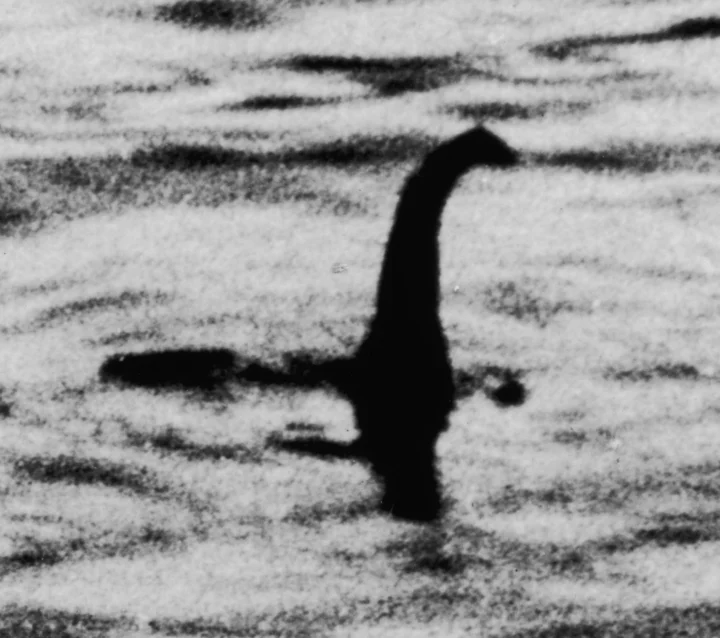
The photograph shows almost nothing around its subject: dark water, a slim neck-like form and a small head. That absence is what made it enormous. With no shore, boat or person to establish scale, a small object could occupy the imaginative space of a large animal.
A picture made for an existing story
Interest in a creature at Loch Ness surged during 1933 after press reports and a new road improved access to the shoreline. The Daily Mail hired Marmaduke Wetherell to investigate. His expedition announced large footprints, but the Natural History Museum identified them as impressions made with a dried hippopotamus foot, a novelty object sometimes used as an umbrella stand. The episode publicly embarrassed Wetherell.
In April 1934, the Daily Mail published two photographs supplied through London doctor Robert Kenneth Wilson. The more famous frame appeared to show a long neck and small head rising from the loch. Wilson’s professional standing gave the image informal authority, although “Surgeon’s Photograph” was a press label rather than evidence about how it had been made.
The missing scale
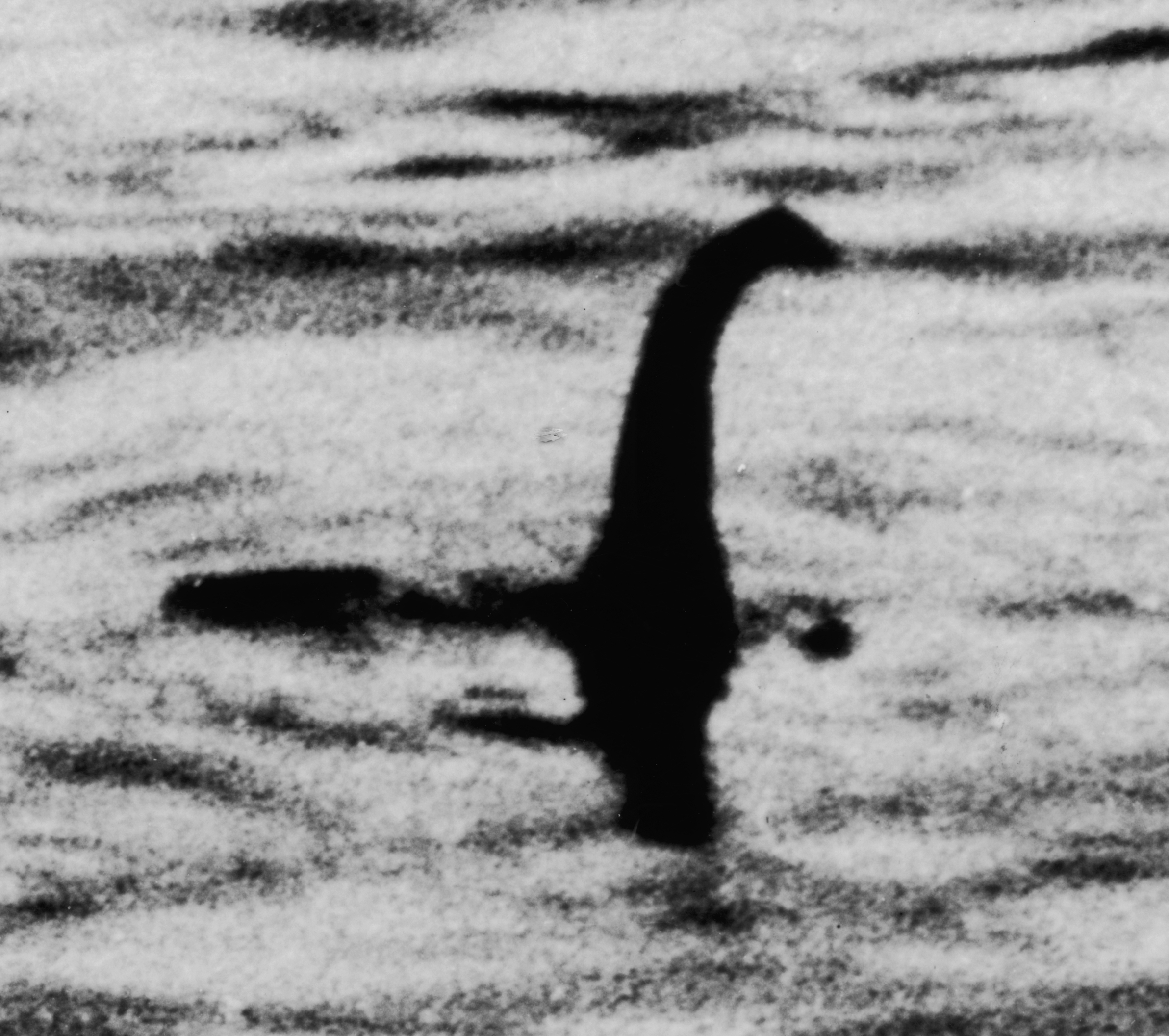
The familiar reproduction is a crop. A wider version shows more empty water and makes the form less imposing. The fine ripples around it are consistent with a small object photographed relatively close to the camera. Neither version provides a fixed distance, so claims about the creature’s size cannot be recovered from the image alone.
This is a general photographic problem. A photograph records angular size, not real size. If the camera position, lens, distance and surroundings are unknown, the viewer supplies scale from expectation. By 1934 the expected object was a prehistoric-looking lake animal, and the photograph gave it a memorable silhouette.
The hoax account
In the 1990s, accounts associated with Wetherell’s family described a model neck mounted on a small toy submarine. Christian Spurling said he built it; Wetherell’s son Ian and others were linked to staging and passing the images through Wilson. The account explains the object’s scale, the choice of intermediary and a possible motive after the footprint humiliation.
Historical confessions should also be tested rather than accepted because they produce a satisfying ending. In this case, the model account fits the visual evidence and the participants’ connections, and it has become the accepted explanation. What the photograph cannot do is support a large unknown animal: its provenance and missing scale were too weak even before the later account.
The image outlived its evidence
The wider Loch Ness tradition cannot be reduced to one photograph. Reports have different dates, witnesses and possible causes. Yet this frame taught millions of viewers what the creature should look like: a plesiosaur-like neck rising from calm water. Later pictures, illustrations and sightings were read against that template.
The Surgeon’s Photograph therefore belongs in the archive as media history. It is not strong zoological evidence, but it is excellent evidence of how cropping, status and repetition can turn an ambiguous picture into the visual definition of a legend.
Claim, Context and Cautions
Claim
A photograph published in April 1934 appeared to show the head and long neck of a large animal in Loch Ness.
What is solid?
The published image was cropped from a wider frame, lacks a scale reference and was supplied through Robert Kenneth Wilson during intense press interest in the loch.
What remains disputed?
The later model-submarine account is widely accepted and fits the image, though it depends partly on retrospective participant testimony.
Explanation
A small staged model, enlarged by cropping and absent scale, is the strongest explanation. The frame does not provide evidence for a large animal.
Sceptical view
Professional status is not photographic provenance. Camera position, full frame, negative history and scale must be established before an object’s size can be inferred.
Why it still matters
The image fixed the long-necked public silhouette of the Loch Ness Monster and demonstrates how a photograph can organise later belief after its evidential value has collapsed.
Contextual glossary
Terms used in this entry
Definitions are offered as reading aids, not as conclusions about the case.
- Scale reference
- An object or measurement of known size included so dimensions can be estimated. Without reliable distance and scale, photographs often cannot establish an object’s true size.
- Angular size
- The angle an object appears to occupy in a viewer’s field of vision. It can be estimated without knowing distance, whereas converting it into true size requires a reliable distance.
- Provenance
- The documented history of an object’s origin, ownership, location and handling. A dramatic claim with weak provenance cannot reliably establish where or when an object came from.
- Hoax
- A deliberate attempt to make false evidence or a false story appear genuine. A hoax can still become culturally important, but its later influence should not be confused with the original claim.
Reference trail
Sources
- PBS NOVA: Birth of a Legend (opens in a new tab)Image history, cropping, scale and the later hoax investigation.
- Natural History Museum: What is a plesiosaur? (opens in a new tab)Scientific and cultural context for the long-necked interpretation.
- Wikimedia Commons: Surgeon’s Photograph (opens in a new tab)File history and rights information for the image used in this case.
- Nature (1934): The Loch Ness “Mystery” (opens in a new tab)Contemporary scientific scepticism during the first wave of publicity.
Case Book
Photographs, Maps and Supporting Images
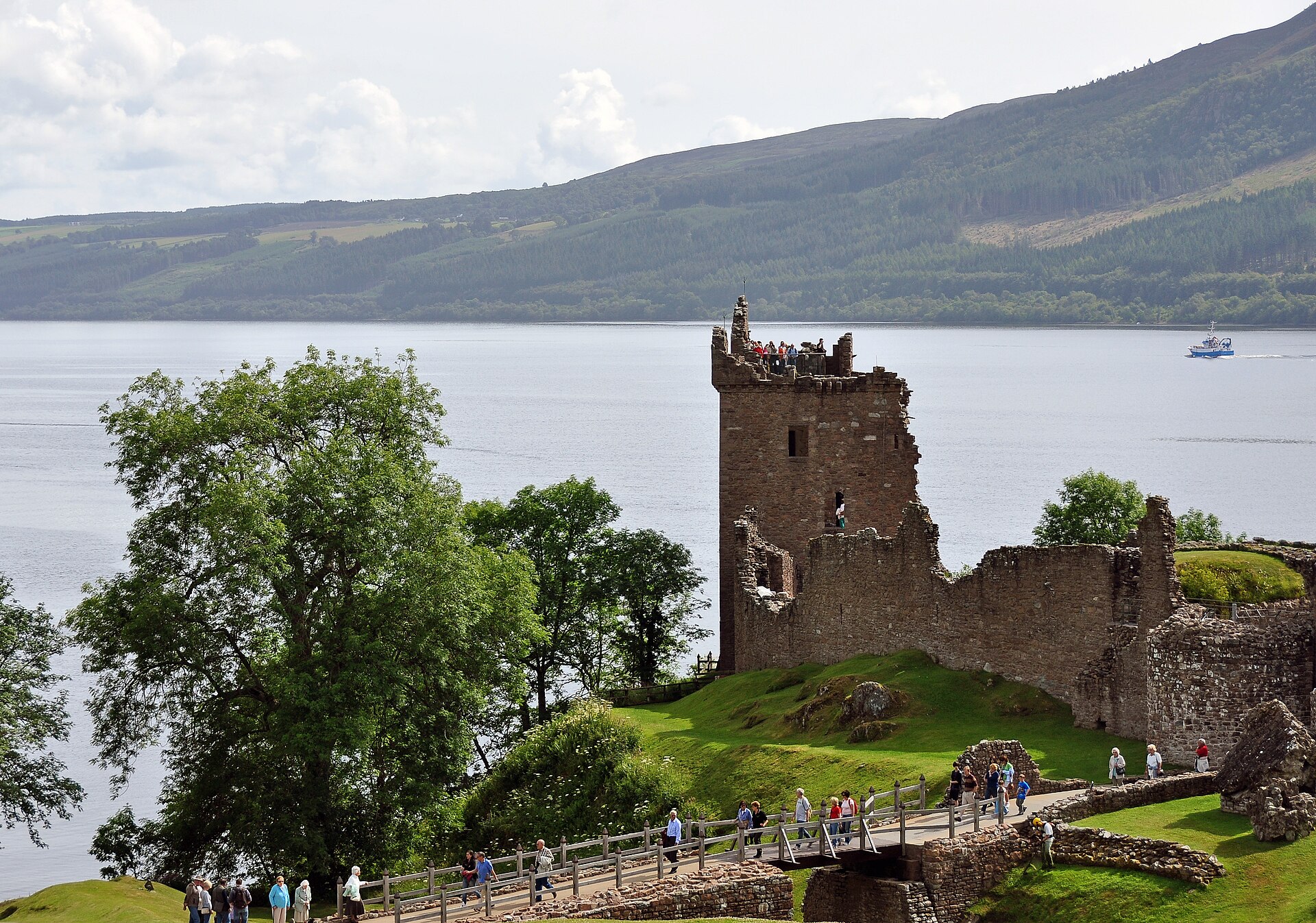
Supporting images provide documentary, geographic or visual context. Read each caption for its date, source and evidential limits.
Continue researching
Follow the evidence, context and comparisons
Curated connections
Selected editorially for this entry.
A face in a window is a useful archive case because it lets us talk about pareidolia, photography and the way expectation edits what we think we saw.
Curated connection · Case fileThe Face on Mars: Pareidolia in a Planetary ArchiveThe Face on Mars became a classic anomaly because one low-resolution Viking image looked uncannily human until better imaging restored it to geology.
Curated connection · Case fileThe Fiji Mermaid: A Fake That Made Barnum FamousThe Feejee Mermaid became an object lesson in showmanship because the hoax was never just the object; it was the lecture around it.