Disappearances & Unresolved Identities
Dyatlov Pass: A Winter File That Still Resists a Single Easy Story
Dyatlov Pass remains an archive of frozen conditions, injuries and competing explanations, with the strongest case still grounded in the mountain rather than the supernatural.
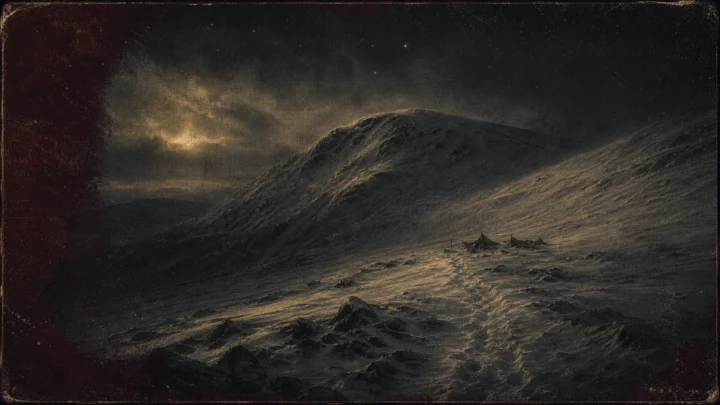
Dyatlov Pass is one of those cases that can be ruined by overconfidence on either side. On one side are the sensational stories about secret weapons, monsters and bizarre conspiracies. On the other are simple answers that pretend the evidence is cleaner than it is. The archive sits between those extremes.
The expedition's route, diary records and the winter mountain environment all matter. So do the injuries and the delay before recovery. Modern research has repeatedly pointed toward avalanche or snow-slab mechanisms as the strongest explanatory frame, though the exact sequence remains disputed.
What makes the case interesting is not that it must be supernatural to be noteworthy. It is that a severe landscape can produce trauma, confusion and incomplete evidence all at once. That is enough to keep the file open without padding it with fantasy.
Dyatlov Pass belongs in the archive of strange history because it reminds us how often the hardest mysteries are those where the evidence is partial, painful and weathered.
Claim, Context and Cautions
Claim
Nine members of a ski-touring expedition died in the northern Ural mountains of the Soviet Union in February 1959. The group, led by Igor Dyatlov, had cut their tent from inside before fleeing in conditions of extreme cold without adequate clothing. Some of the bodies showed injuries that searchers and investigators found difficult to attribute to a single simple cause, and the Soviet investigation closed without a definitive public explanation. The gap between the known physical evidence and a clear account of what happened became the space into which decades of speculation moved, producing theories involving military testing, infrasound, organised crime, indigenous aggression, supernatural events and extraterrestrial involvement. Modern scientific analysis has returned repeatedly to natural explanations, with avalanche dynamics, slab-fracture mechanics and the group's decisions under pressure providing the strongest current framework. The case is named after the pass that now carries the expedition leader's name.
Background
The Dyatlov group were students and recent graduates of the Ural Polytechnic Institute, mostly in their early twenties. Igor Dyatlov was an experienced organiser, and the other members had backgrounds in hiking, skiing and technical fieldcraft. The route took them through the northern Urals in winter conditions that were demanding but within the range of what experienced Soviet sport hikers attempted. The group maintained a diary and took photographs across the first days of the expedition, which give the case its documentary texture: real people, real plans, real weather, a real landscape. The Soviet government investigated the deaths but did not release a full public conclusion. The case file was partially classified for reasons that were probably administrative and institutional rather than conspiratorial, but the restrictions fed speculation for decades. The broader region contained restricted industrial and military zones, which gave conspiracy theories a plausible-sounding backdrop even when the specific restriction on the case file was more mundane.
Reported events
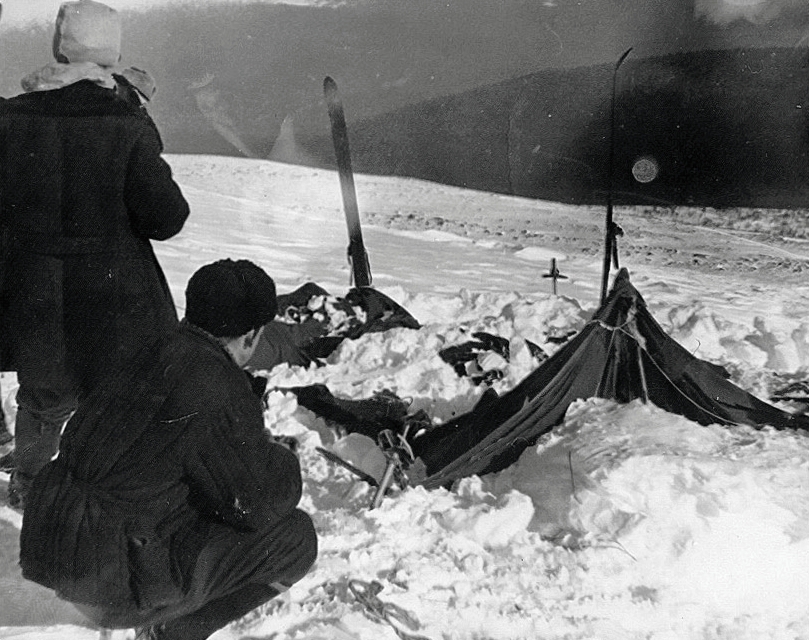
The group was found over a period of weeks beginning in late February 1959. The tent was discovered cut from inside and partially buried in snow, with footprints leading downhill from it. Several bodies were found near the treeline; others were recovered months later from a stream gully beneath the snow. The injuries that attracted most attention included fractured ribs on two members, a fractured skull on a third, and the absence of one woman's tongue, which searchers could not immediately account for and which became a focus of later sensational retelling. The bodies showed signs of severe cold exposure. A small amount of soft-tissue radiation was detected on some clothing items, at levels that investigators attributed to contamination rather than an exposure event. The initial Soviet inquest concluded the cause of death was an uncontrollable force of nature, without elaborating further in the public record.
Possible explanations
Avalanche or slab-fracture release is the leading modern explanation. The tent had been pitched on a slope with snow accumulation above it, and applied avalanche science has modelled how a delayed slab release could strike the tent with enough force to produce the thoracic injuries documented on two members, without generating the dramatic burial that early searchers expected to find. The group's flight down the slope in darkness and extreme cold without adequate clothing is consistent with a delayed partial release that was enough to cause panic but not enough to bury. Hypothermia in darkness on a steep slope with inadequate clothing is a rapid killer and produces confused, apparently irrational behaviour including undressing, which explains the poorly clothed bodies found at distance from the camp. The tongue loss was most probably post-mortem decomposition accelerated by months under running water. The radiation trace is consistent with background contamination or thorium-coated lenses on camera equipment the group was carrying.
Sceptical view
The injuries, while severe, do not require extraordinary explanations. Avalanche forces can produce exactly the thoracic damage documented without leaving a classic burial signature in all cases, and the slab-fracture model was developed by researchers who specifically addressed the Dyatlov geometry. Hypothermia explains the flight, the undressing and the scattered body positions. The tongue loss has a straightforward decomposition explanation that does not require deliberate removal. The radiation trace has been revisited and falls within ranges attributable to equipment contamination. The Soviet classification was institutional rather than conspiratorial; the era produced many restricted files of unremarkable content. The case has attracted extreme theories precisely because the documentary trail is rich enough to reward investigation but incomplete enough to leave room for interpretation. A tragedy with photographs and diaries but no survivors is the ideal condition for generating new explanatory theories indefinitely.
Why it still interests people
Dyatlov Pass endures because it combines real documentary evidence with genuine unresolved detail in a landscape that can still be visited. It is not a ghost story or a creature legend. It is a tragedy with a paper trail, real names, real photographs and a place on a modern map. The case rewards serious investigation while resisting final closure, which is the condition that most effectively sustains archive interest. It also reflects something true about complex outdoor emergencies: human decisions under stress, environmental forces operating at the edges of our models, and the near-impossibility of reconstructing events when the only witnesses did not survive. For the archive, the lesson is that a mystery does not need a supernatural cause to be genuinely difficult. Sometimes the hardest problems are those where partial evidence, extreme conditions and irreversible human loss combine to make certainty permanently out of reach.
Contextual glossary
Terms used in this entry
Definitions are offered as reading aids, not as conclusions about the case.
- Contamination
- The introduction of outside material or information into evidence. It may affect DNA, objects, recordings or witness accounts and must be considered before treating a match as independent.
- Infrasound
- Sound below the usual range of human hearing. Some sources can cause vibration or discomfort, but it should be measured at a location rather than used as a universal explanation for unease.
Reference trail
Sources
- Nature: Mechanisms of slab avalanche release and impact in the Dyatlov Pass incident (opens in a new tab)Scientific analysis of the mountain conditions and injury patterns.
- Nature: Explaining the icy mystery of the Dyatlov Pass deaths (opens in a new tab)Accessible summary of the avalanche-focused interpretation.
- National Geographic: Has science solved history's greatest adventure mystery? (opens in a new tab)Popular science overview of the debate.
Case Book
Photographs, Maps and Supporting Images
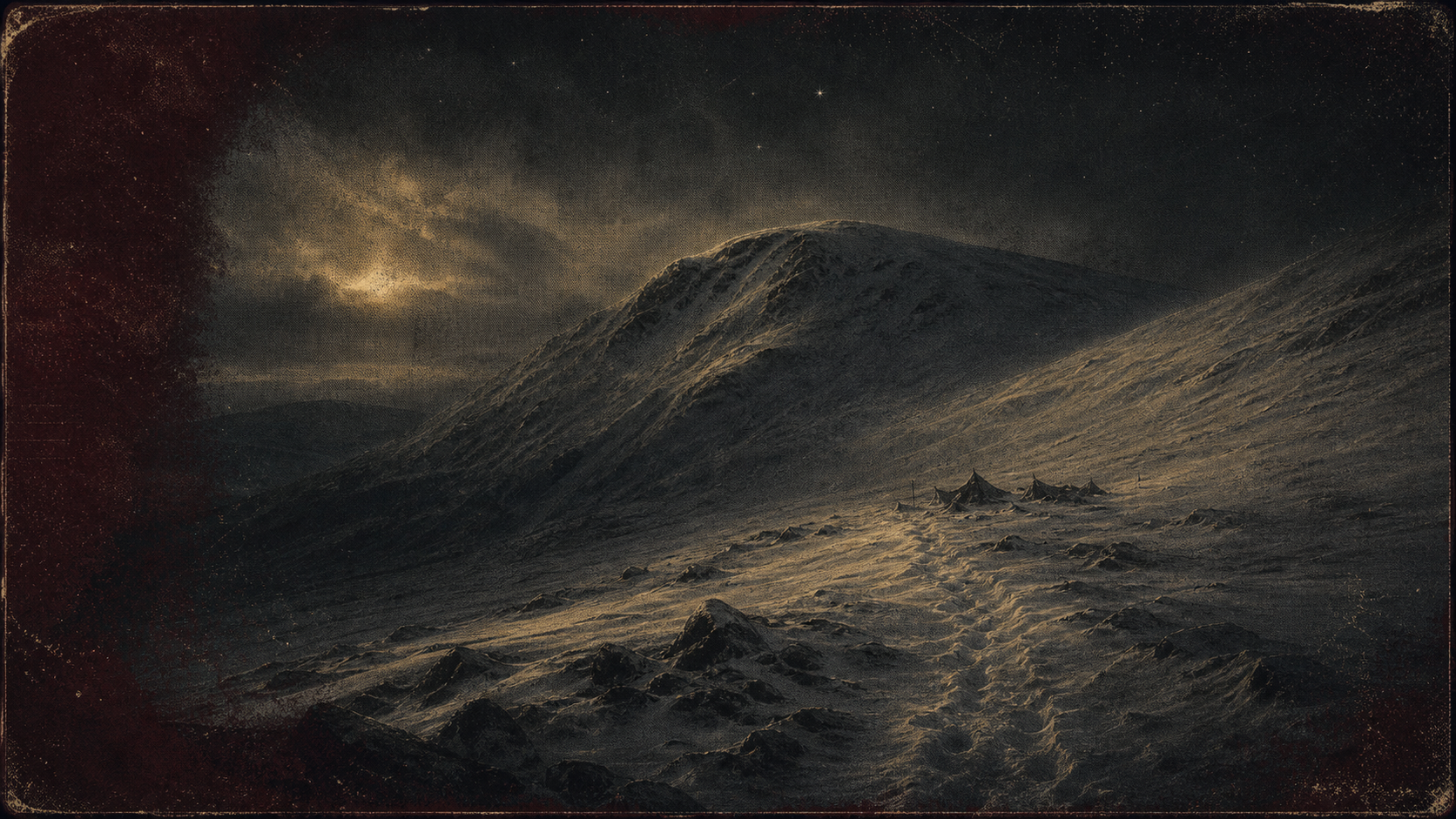
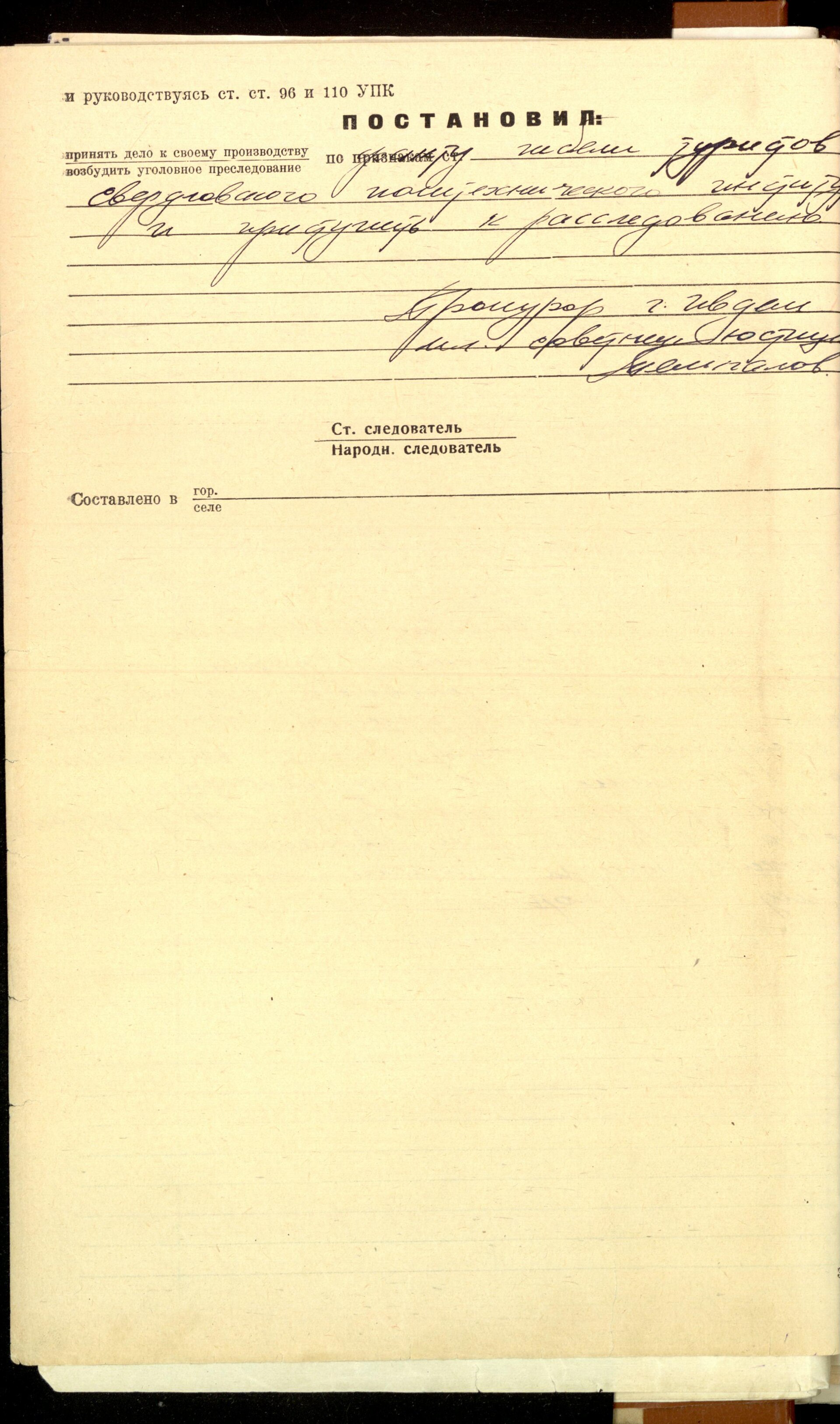
Supporting images provide documentary, geographic or visual context. Read each caption for its date, source and evidential limits.
Continue researching
Follow the evidence, context and comparisons
Curated connections
Selected editorially for this entry.
Three lighthouse keepers disappeared from Eilean Mor in 1900, leaving a mystery where official records point toward sea, weather and working risk rather than fantasy.
Curated connection · Case fileThe Bennington Triangle: Missing People, Missing ContextThe Bennington Triangle is less a single event than a regional pattern built from disappearances, local lore and the human need to connect coincidences.
Curated connection · Case fileSalem and Spectral Evidence: When Fear Became ProcedureThe Salem witch trials remain a severe lesson in how fear, theology, testimony and legal process can combine into a lethal accusation system.
More through shared context
Additional routes based only on existing topics, themes and metadata.
The Isdal Woman case combines a documented unexplained death with coded travel records, uncertain identity and later forensic reconstruction. Espionage remains a possibility, not an established fact.
Same primary topic · Shared theme: Unsolved deaths · Case fileThe Yuba County Five: A Road Into the SnowA disappearance case where winter road, confusion and delayed discovery created a mystery larger than any one clue.