Disappearances & Unresolved Identities
The Flannan Isles Lighthouse Keepers: A Vanishing at the Edge of Weather
Three lighthouse keepers disappeared from Eilean Mor in 1900, leaving a mystery where official records point toward sea, weather and working risk rather than fantasy.
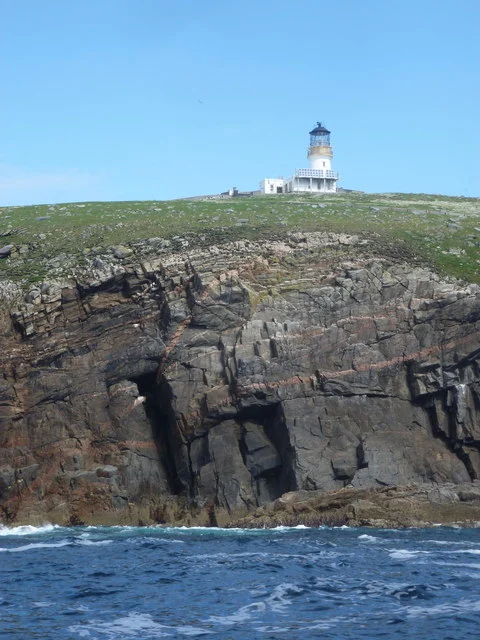
The Flannan Isles mystery begins not with a supernatural sign but with an interrupted shift. In December 1900, three lighthouse keepers disappeared from Eilean Mor. Their workplace remained, their bodies did not, and later storytellers used the silence to add details the official record never contained.
The missing light
The lighthouse tender Hesperus was due to relieve the station, but severe weather delayed the voyage. When it reached Eilean Mor on 26 December, no keeper answered the signal. Relief keeper Joseph Moore went ashore and found the station deserted.
The missing men were principal keeper James Ducat, assistant Thomas Marshall and occasional keeper Donald McArthur. The lamp and interior did not present the melodramatic disorder found in later versions. The central fact was an empty professional station and three absent workers.
The landing place
Superintendent Robert Muirhead’s inquiry concentrated on the west landing. Railings had been damaged, ropes displaced and equipment affected at a height that indicated severe seas. The official conclusion was that the men had gone near the landing to secure gear and were swept away by a large wave.
The exact sequence could not be recovered. One man may have been caught first and the others attempted a rescue, or all may have been surprised together. Questions about clothing and station procedure remain, but they do not make a paranormal event more likely than a maritime accident.
The invented logbook
Popular retellings often quote entries about an unprecedented storm, a keeper crying or praying and a final line announcing that the storm had ended. These passages are not part of the surviving official log. They appear to derive from later literary treatment.
Removing them changes the emotional plot. The keepers no longer leave a supernatural premonition; the case becomes an occupational disaster reconstructed from damaged equipment and incomplete routine records.
Weather, work and hindsight
Lighthouse work required trained men to make decisions in exposed places. A task that was normally manageable could become lethal when swell, wind and cliff geometry combined. Hindsight encourages a clean rule – all three would never leave together – but emergencies are precisely when routine changes.
The National Records of Scotland and Northern Lighthouse Board preserve the administrative trail. That trail is more valuable than a dramatic quotation because it ties names, dates and observations to responsible officials.
Why no body does not mean no explanation
The Atlantic can remove both people and the direct evidence of how they fell. Absence limits certainty; it does not make every proposed cause equally plausible. The damaged landing and known environment support accidental loss to the sea.
Compared with the Mary Celeste, Flannan has a similar narrative afterlife: an already powerful maritime loss accumulated invented details because the sparse record felt emotionally unfinished.
Why it still matters
The case remains unresolved at the level that matters to the families: no one can state the men’s final actions. At the level of cause, the evidence points strongly toward sea, weather and work rather than disappearance by an unknown force.
Keeping those levels separate preserves both the mystery and the men. The empty lighthouse needs no fictional diary to be haunting.
Claim, Context and Cautions
Claim
Three lighthouse keepers vanished from Eilean Mor, and later stories added murder, madness and supernatural intervention.
What is solid?
James Ducat, Thomas Marshall and Donald McArthur were missing when relief arrived on 26 December 1900; damage at the west landing showed the force of the sea.
What remains uncertain?
No body was recovered and the men's exact movements cannot be reconstructed. The order in which they went outside or attempted a rescue is unknown.
Possible explanations
The official and strongest explanation is that the men went to secure or inspect equipment and were swept from the exposed landing area by a large wave.
Sceptical view
Frequently quoted ominous log entries are later additions, not official evidence. Sparse records should not be filled with literary invention.
Why it still matters
Flannan is a disciplined case study in occupational risk, evidential absence and the way an unfinished tragedy attracts folklore.
Contextual glossary
Terms used in this entry
Definitions are offered as reading aids, not as conclusions about the case.
- Premonition
- A feeling, dream or impression later interpreted as anticipating an event. A dated record made before the outcome is much stronger evidence than a recollection shaped after it.
- Haunting
- A pattern of unusual experiences attributed to a place, including apparitions, sounds, movement or sensed presences. A location log is more informative than treating every incident as one cause.
Reference trail
Sources
- Northern Lighthouse Board: Flannan Isles (opens in a new tab)Lighthouse authority chronology and disappearance account.
- National Records of Scotland: Flannan Islands Lighthouse (opens in a new tab)Guide to the surviving official records and inquiry.
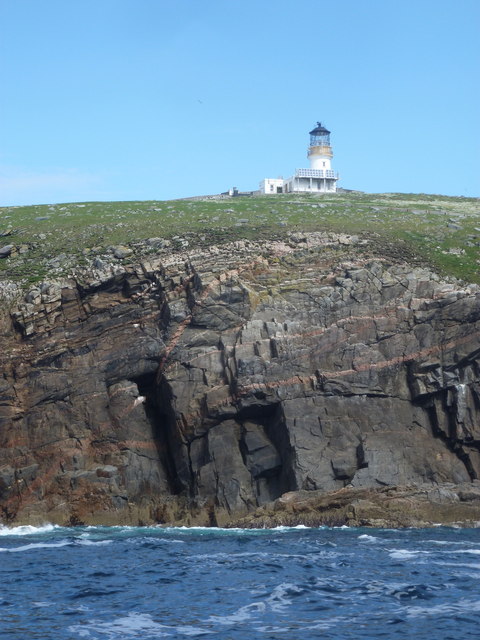
- Wikimedia Commons: Flannan Isles lighthouse and cliffs (opens in a new tab)CC BY-SA 2.0 image record used by this case.
Case Book
Photographs, Maps and Supporting Images
Supporting images provide documentary, geographic or visual context. Read each caption for its date, source and evidential limits.
Continue researching
Follow the evidence, context and comparisons
Curated connections
Selected editorially for this entry.
The famous 1872 maritime mystery is less a ghost story than a stubborn problem of evidence, weather, cargo and missing people.
Curated connection · Case fileThe Yuba County Five: A Road Into the SnowA disappearance case where winter road, confusion and delayed discovery created a mystery larger than any one clue.
Curated connection · ArticleThe Difference Between Evidence, Testimony and LegendA field guide to three words that often get tangled in mystery research.
More through shared context
Additional routes based only on existing topics, themes and metadata.
The Carroll A. Deering was found abandoned on Diamond Shoals in January 1921. Missing boats, papers and crew suggested an organised departure, but its cause remains unknown.
Same primary topic · Shared theme: Maritime · Case fileUSS Cyclops: The Collier That Never Reached BaltimoreThe disappearance of USS Cyclops is a major United States Navy loss without a recovered wreck. Structural, loading, weather and wartime explanations remain constrained by missing evidence.