Hoaxes, Misidentifications & Media
Piltdown Man: The Fossil That Flattered an Expectation
Piltdown Man fooled parts of the scientific world for decades because forged evidence appeared to fit a story people were ready to hear.
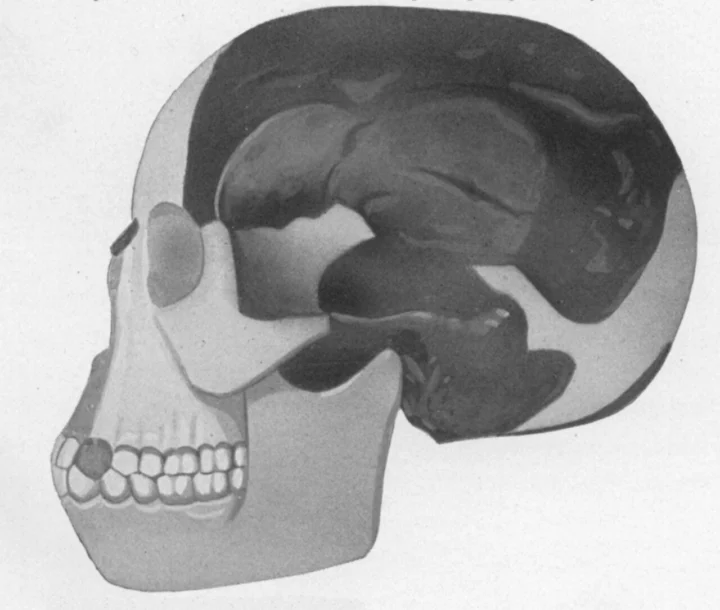
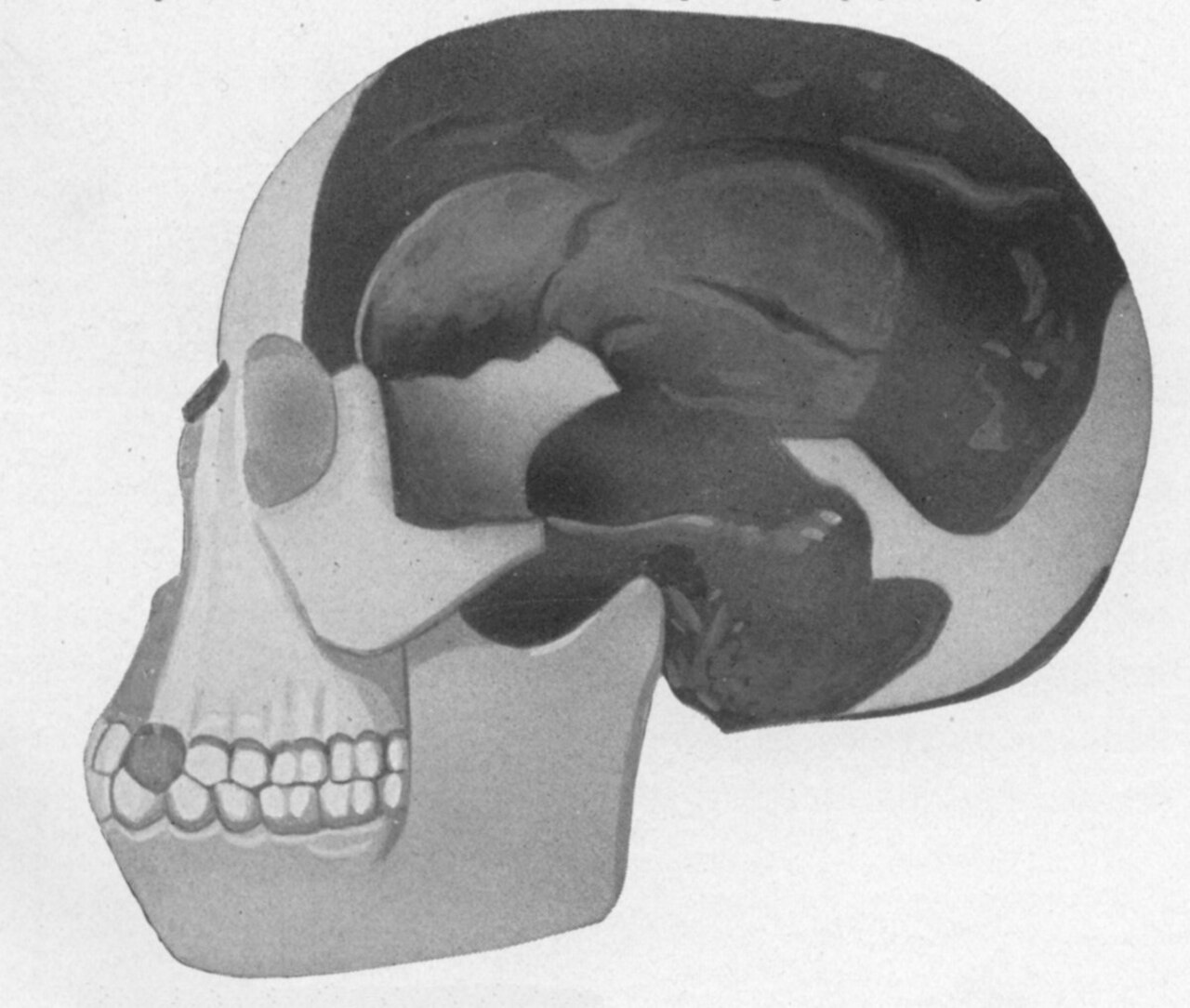
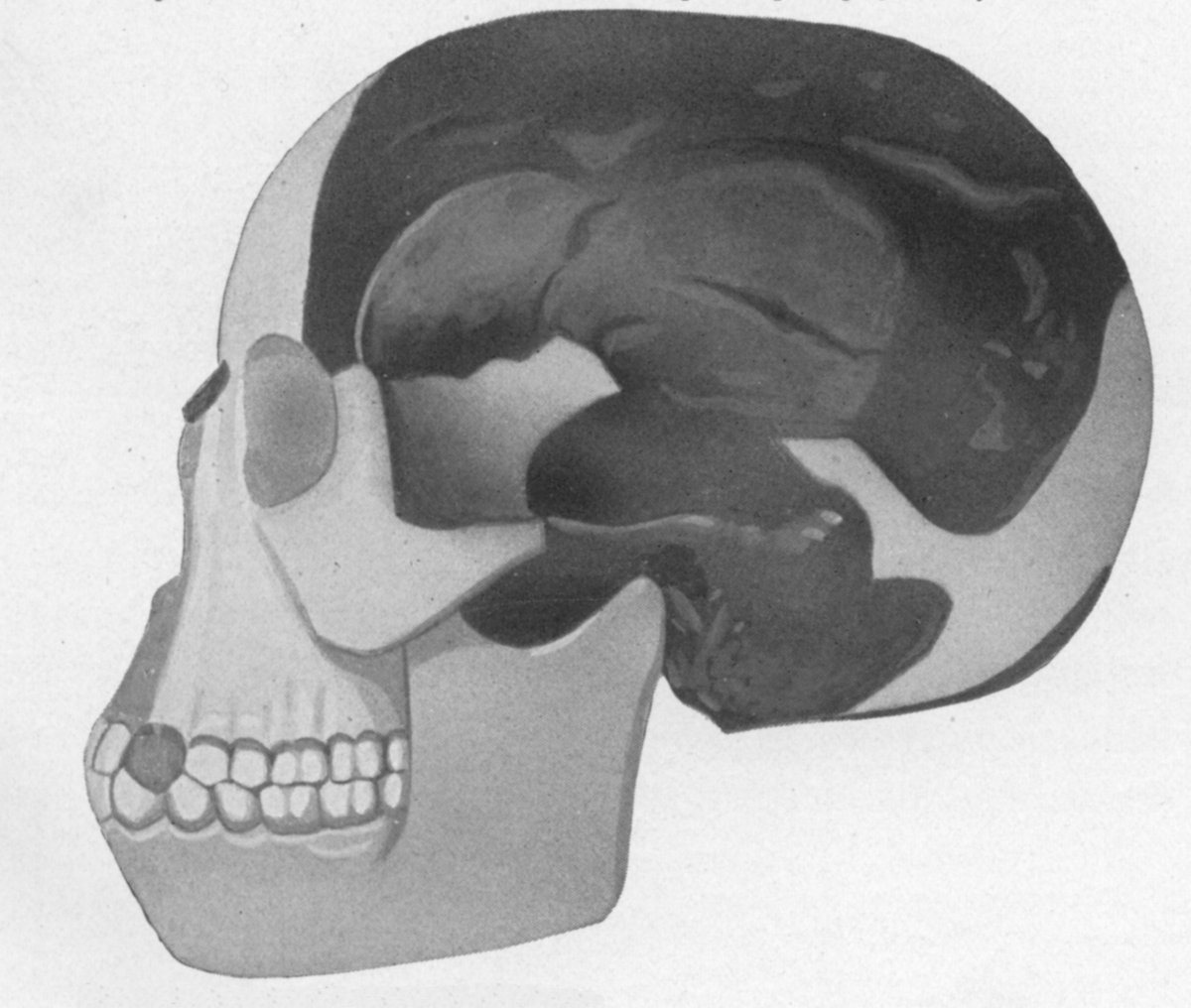
Piltdown Man looked less like a challenge to expectation than a reward for it. The fragments seemed to give Britain an ancient human ancestor with a large brain and an ape-like jaw. That convenient combination survived for decades before tests showed that the fossil was assembled, altered and stained.
A discovery Britain wanted
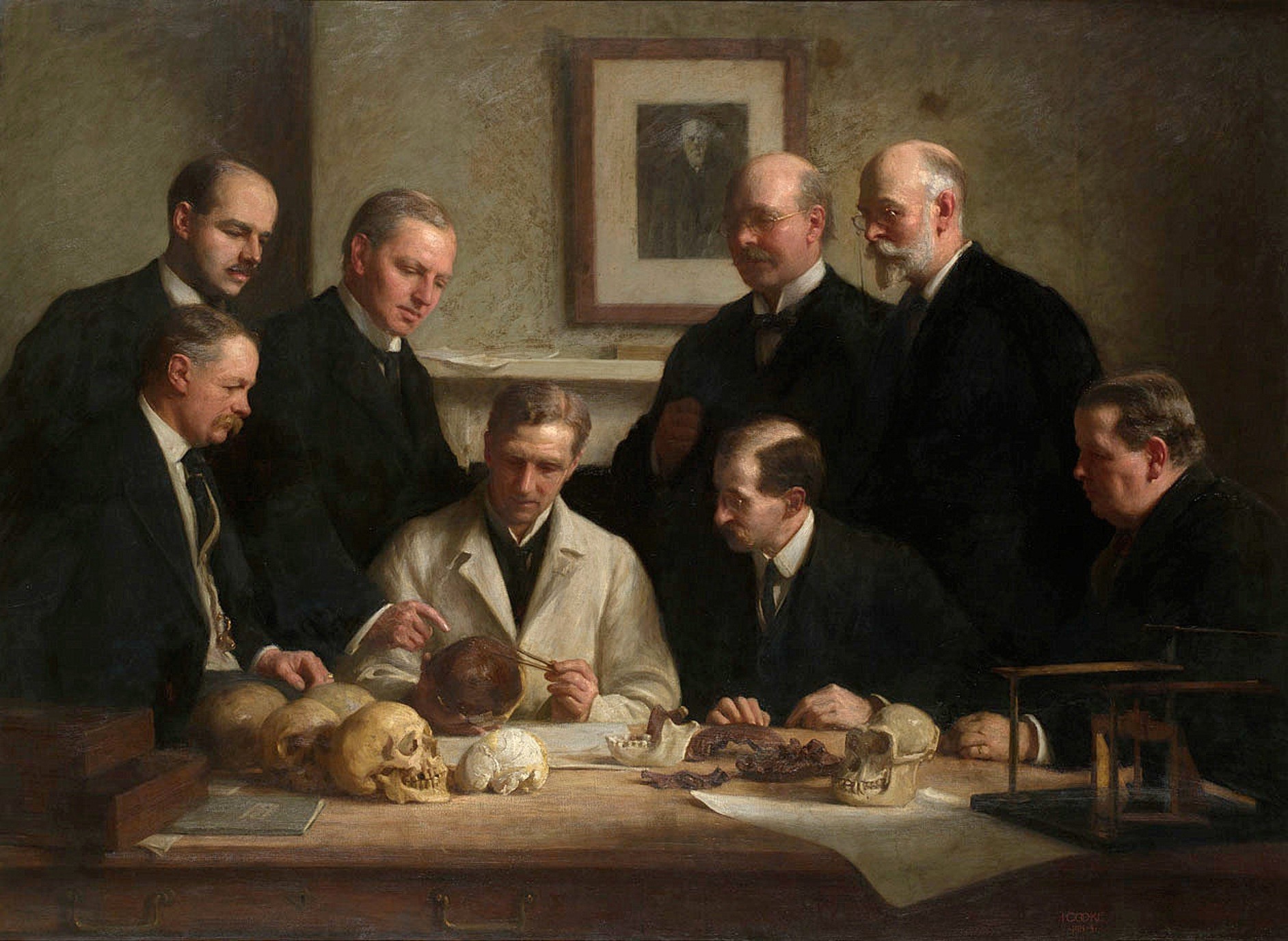
Amateur antiquarian Charles Dawson said that fragments had come from gravel at Piltdown in Sussex. In 1912, Dawson and Natural History Museum palaeontologist Arthur Smith Woodward presented a reconstruction to the Geological Society of London. The proposed species was named Eoanthropus dawsoni, Dawson’s dawn man.
The find entered a field with very little early human material and vigorous debate about whether the brain or other features had developed first. Piltdown’s human-like cranium and primitive-looking jaw appeared to support one influential expectation. Its British location added national prestige.
Reasons for doubt
The pieces did not fit comfortably together. Some anatomists questioned whether the skull and jaw belonged to one creature, and later discoveries elsewhere made Piltdown increasingly isolated from the emerging pattern of human evolution. Yet the specimen’s status and association with respected institutions delayed a decisive rejection.
Rarity helped the claim. With few comparable fossils, researchers could explain away contradiction as a unique branch rather than immediately recognise a composite.
Tests replace resemblance
In 1949, Natural History Museum geologist Kenneth Oakley applied fluorine testing and showed that the remains were far younger than claimed. In 1953, Oakley, Joseph Weiner and Wilfrid Le Gros Clark reported the full fraud: the skull was human, the jaw came from an ape, probably an orangutan, and the teeth had been filed to alter their appearance.
Microscopy exposed tool marks. Chemical work showed that material had been stained to resemble the local gravel. Later DNA and imaging research linked remains from the two Piltdown sites to one orangutan and at least two human individuals, and found common preparation methods. A 2016 investigation judged Dawson the likely single forger, although motive and every act in the construction cannot be recovered.
What is solid?
The specimens are a deliberate composite. Human and orangutan remains were modified and coloured; teeth were filed; associated material was planted or altered. Multiple independent techniques support that conclusion.
What remains uncertain?
Responsibility is less complete than the exposure. Dawson is strongly implicated, but the historical record cannot prove whether anyone assisted, suspected or merely accepted the fraud. The precise sequence by which each object entered the site also remains partly reconstructed.
Why it worked
Piltdown did not fool science because testing is useless. It persisted because access was restricted, the sample was unusual, authority mattered and the conclusion fitted ideas some researchers already favoured. When stronger comparative evidence and new tests arrived, the claim failed.
The case is therefore different from a mysterious object such as the Antikythera Mechanism. The mechanism survived scrutiny and expanded knowledge. Piltdown survived delay and collapsed under scrutiny.
Why it still matters
Piltdown is a practical warning about provenance, independent access and attractive conclusions. The lesson is not to distrust every surprising find. It is to ask whether the evidence has been tested in ways that could make a preferred story fail.
Claim, Context and Cautions
Claim
Fragments presented from Piltdown in Sussex were said to represent an ancient human ancestor combining a large braincase with a primitive jaw.
What is solid?
Testing established a deliberate composite of human skull material and an orangutan jaw, with filed teeth, artificial staining and planted or altered associated finds.
What remains uncertain?
Charles Dawson is the strongest candidate for the forger, but whether anyone assisted or knew of the fraud cannot be proved completely.
Possible explanations
A deliberate fraud gained credibility because it fitted contemporary expectations, carried institutional prestige and was difficult for independent researchers to inspect.
Sceptical view
A plausible reconstruction and respected sponsors cannot replace provenance, open comparison and tests capable of disproving the claim.
Why it still matters
Piltdown demonstrates how science can be delayed by bias and restricted evidence, and also how new methods can eventually correct an established error.
Contextual glossary
Terms used in this entry
Definitions are offered as reading aids, not as conclusions about the case.
- Reconstruction
- A later model, image or account made to represent an event from surviving information. It can clarify a hypothesis but should remain visibly separate from contemporary evidence.
- Provenance
- The documented history of an object’s origin, ownership, location and handling. A dramatic claim with weak provenance cannot reliably establish where or when an object came from.
Reference trail
Sources
- Natural History Museum: Piltdown Man collection (opens in a new tab)Museum archive, chronology of the testing and description of the altered human and orangutan material.
- Natural History Museum: Charles Dawson the likely fraudster (opens in a new tab)Summary of DNA, imaging and reconstruction work on the hoax and its likely maker.
- Encyclopaedia Britannica: Piltdown man (opens in a new tab)Reference chronology of presentation, acceptance and exposure.
- Wikimedia Commons: Piltdown Man image (opens in a new tab)Public-domain image record used by the case.
Case Book
Photographs, Maps and Supporting Images
Supporting images provide documentary, geographic or visual context. Read each caption for its date, source and evidential limits.
Continue researching
Follow the evidence, context and comparisons
Curated connections
Selected editorially for this entry.
Why disputed objects need context, chain of custody and patient interpretation before becoming extraordinary evidence.
Curated connection · Case fileThe Antikythera Mechanism: Ancient Gears Without Ancient AliensThe Antikythera Mechanism is genuinely astonishing, but its lesson is ancient technical skill, not a shortcut to fringe claims.
Curated connection · Case fileThe Great Moon Hoax and the Machinery of WonderIn 1835, newspaper readers met moon forests, lunar animals and winged people in a celebrated lesson about media, science and appetite.