Archaeology & Disputed Artefacts
The Antikythera Mechanism: Ancient Gears Without Ancient Aliens
The Antikythera Mechanism is genuinely astonishing, but its lesson is ancient technical skill, not a shortcut to fringe claims.
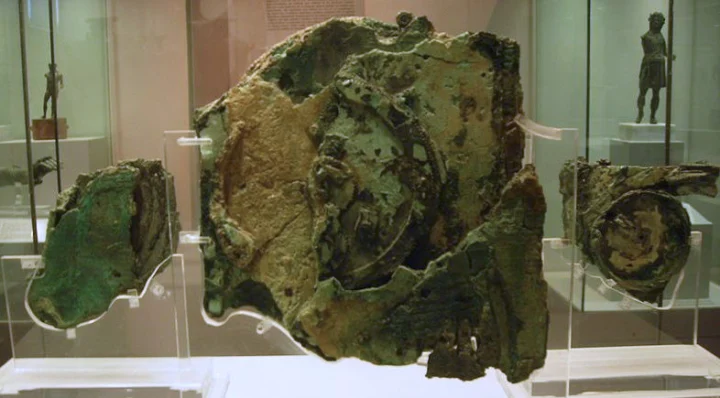
The Antikythera Mechanism is not interesting because ancient people could not have built it. It is interesting because they did, and because a corroded group of bronze fragments survived well enough to enlarge the history of engineering.
A shipwreck recovery
Sponge divers discovered the Antikythera wreck in 1900 near the Greek island between Crete and the Peloponnese. Archaeological recovery brought up statues and other cargo. Among the finds was a compact mass initially overlooked beside more spectacular objects. In 1902, gear teeth were recognised within it.
The wreck context matters. It ties the fragments to an ancient assemblage rather than an unsupported find story. Dating remains a subject of research, but the device belongs to the Hellenistic world and was lost with a Roman-era ship carrying valuable cargo.
What survived
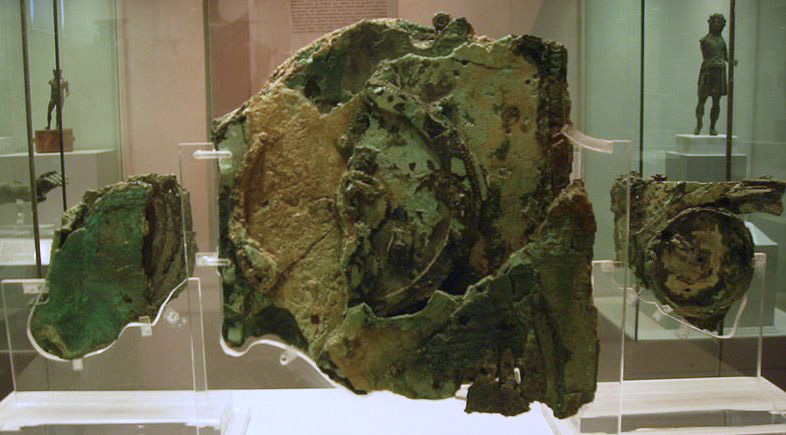
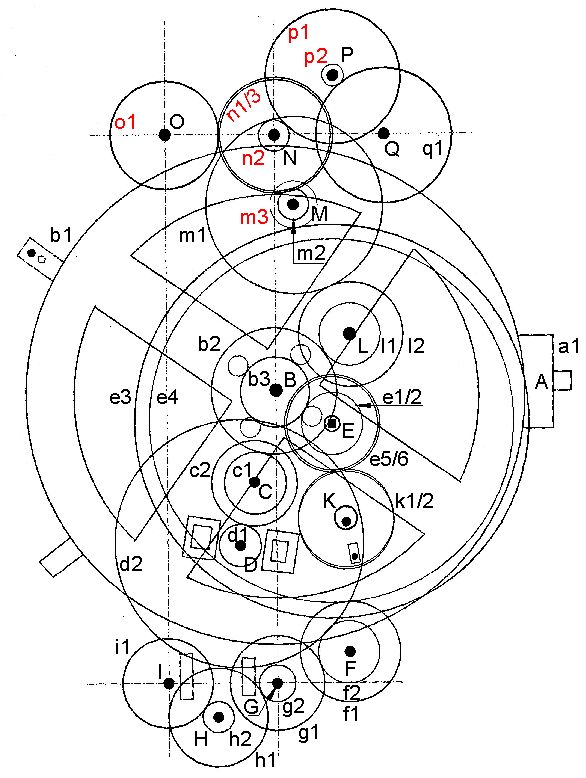
The mechanism is incomplete, corroded and divided into fragments. It preserves interlocking gears, scales and Greek inscriptions. Modern radiography and surface imaging have exposed internal relationships that could not be read from the exterior.
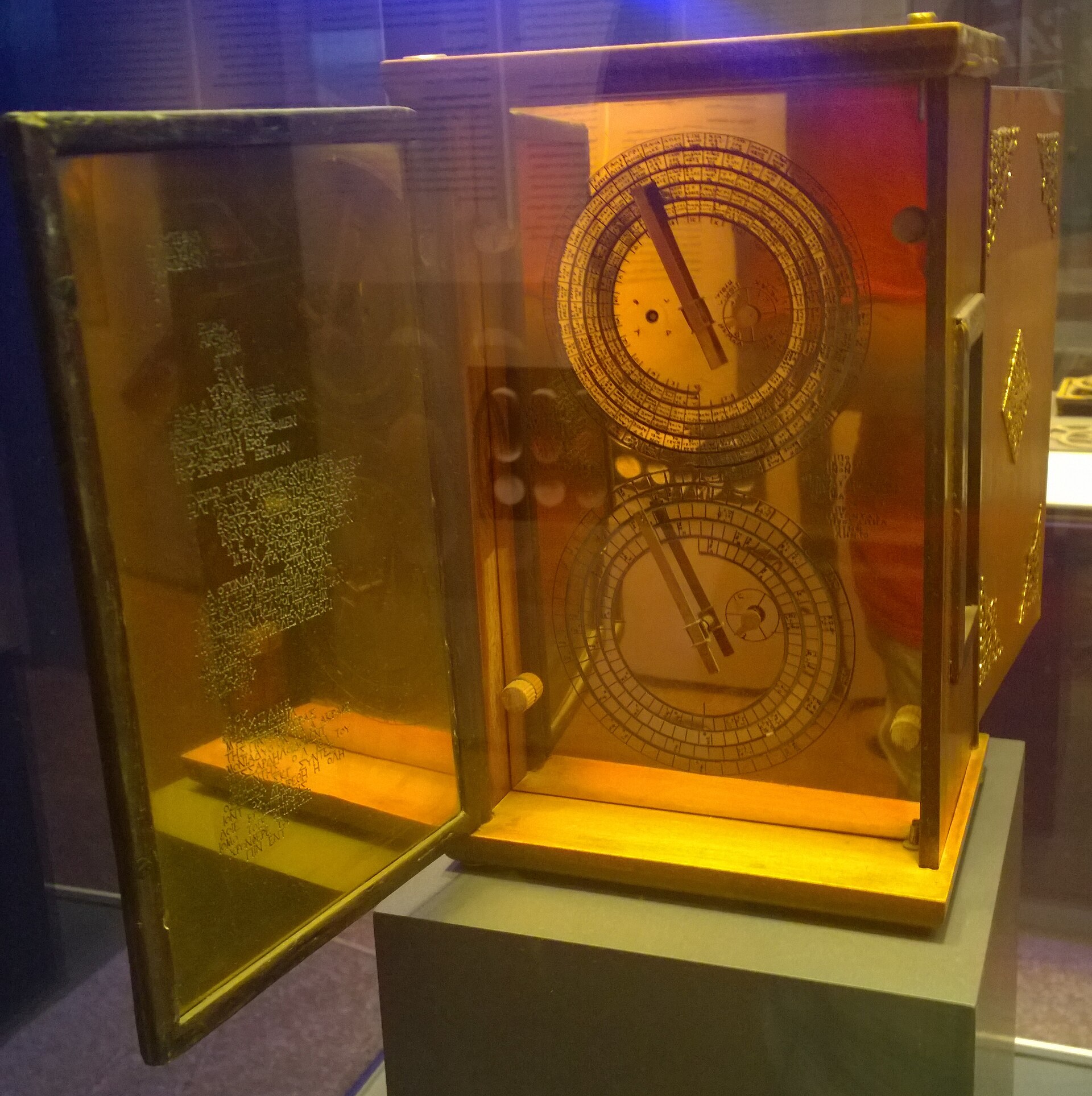
Researchers have reconstructed functions rather than one uncontested original appearance. The device modelled astronomical and calendrical cycles, including eclipse prediction. Reconstructions differ in some details because much of the front display and gearing is missing. Uncertainty about the complete machine does not weaken the identification of its astronomical purpose.
Why it looked impossible
Few comparable geared devices survive from antiquity. Bronze was valuable and reusable; delicate mechanisms corroded; written descriptions preserve only part of craft practice. A wreck can save objects that ordinary use, recycling and decay remove from the archaeological record.
Calling the mechanism “too advanced” mistakes survival for capability. Hellenistic astronomy, mathematics and metalworking provide a human technical context. The object is evidence that this context produced more complex instruments than historians once knew, not evidence that the context must be discarded.
What is reconstruction?
A working modern model is an argument built from surviving gear counts, inscriptions and known astronomical periods. It helps test whether a proposed arrangement functions. It is not a photograph of the lost original, and responsible displays label reconstructed parts.
This distinction is central to Out-of-Place Artefacts and the Value of Caution. Reconstructions can reveal possible operation while remaining explicit about missing evidence.
The better mystery
The most productive questions concern workshop knowledge, patronage and transmission. Was the device unique or one product of a wider instrument-making tradition? Which texts and teaching practices connected mathematical cycles to physical gears? Why did so little survive?
Those questions leave the mechanism fully marvellous. They also return credit to the people whose skill made it, rather than using surprise to import an impossible builder.
Claim, Context and Cautions
Claim
A group of ancient bronze fragments contains a highly sophisticated geared astronomical calculator unlike most surviving technology from its period.
What is solid?
The mechanism came from the documented Antikythera wreck. Gears, scales and inscriptions survive, and imaging confirms calculations tied to calendars and astronomical cycles.
What remains uncertain?
The complete front display, some gearing, precise date, workshop and full range of functions remain subjects of reconstruction and research.
Possible explanations
Hellenistic mathematical astronomy, bronze craftsmanship and instrument-making explain the device within an ancient human technical tradition.
Sceptical view
Rarity in the surviving record is not evidence of non-human origin. Bronze recycling, corrosion and uneven preservation explain why comparable mechanisms are scarce.
Why it still matters
The mechanism is a genuine historical surprise that demonstrates how good evidence can expand expectations without abandoning context.
Contextual glossary
Terms used in this entry
Definitions are offered as reading aids, not as conclusions about the case.
- Artefact
- An object made, modified or used by people. Its material, manufacture, wear and archaeological context are evidence; an unusual appearance alone does not establish an unusual age or origin.
- Reconstruction
- A later model, image or account made to represent an event from surviving information. It can clarify a hypothesis but should remain visibly separate from contemporary evidence.
- Uncertainty
- The stated limit on what a measurement, reconstruction or body of evidence can establish. Describing uncertainty is not indecision; it prevents a result from appearing more precise than the evidence allows.
Reference trail
Sources
- National Archaeological Museum: The Mysteries of the Antikythera Mechanism (opens in a new tab)Museum presentation of discovery, fragments, inscriptions and multidisciplinary research.
- Nature: Decoding the ancient Greek astronomical calculator (opens in a new tab)Peer-reviewed imaging and interpretation of the gear trains and inscriptions.
- Greek Ministry of Culture: The Antikythera Mechanism (opens in a new tab)Official cultural description of the device and its astronomical function.
- Wikimedia Commons: Fragments of the Antikythera Mechanism (opens in a new tab)Image source and CC BY 2.0 reuse record.
Case Book
Photographs, Maps and Supporting Images
Supporting images provide documentary, geographic or visual context. Read each caption for its date, source and evidential limits.
Continue researching
Follow the evidence, context and comparisons
Curated connections
Selected editorially for this entry.
Why disputed objects need context, chain of custody and patient interpretation before becoming extraordinary evidence.
Curated connection · Case fileThe Baghdad Battery: A Jar, a Theory and a Long ShadowA classic strange-archaeology case in which a plausible object became a magnet for much larger claims than the evidence supports.
Curated connection · Case filePiltdown Man: The Fossil That Flattered an ExpectationPiltdown Man fooled parts of the scientific world for decades because forged evidence appeared to fit a story people were ready to hear.
More through shared context
Additional routes based only on existing topics, themes and metadata.
The Phaistos Disc is a genuine-looking Minoan artefact with 45 sign types and no adequate parallel text. Its script, language and purpose remain undeciphered.
Same primary topic · Shared theme: Disputed artefacts · Case fileRoman Dodecahedra: Twelve Sides and No Surviving InstructionsRoman dodecahedra are genuine, technically demanding provincial objects. Their variable sizes, scattered contexts and missing textual record keep practical and ritual explanations provisional.