Disappearances & Unresolved Identities
The Yuba County Five: A Road Into the Snow
A disappearance case where winter road, confusion and delayed discovery created a mystery larger than any one clue.

The Yuba County Five case is difficult because its mystery is not built from one impossible clue. It is built from a chain of ordinary decisions that no longer quite join together: a basketball trip, a wrong road, an abandoned car, a winter mountain route and discoveries made too late to answer the most human questions.
On February 24, 1978, five men from the Yuba City and Marysville area of Northern California travelled to Chico for a college basketball game. The group is usually named as Jack Madruga, William Sterling, Jack Huett, Theodore Weiher and Gary Mathias. They were expected home after the game. Instead, the car associated with the group was later found far from the direct route home, on a mountain road in the Plumas National Forest area.
Sequence of events
The evening began in a way that was ordinary enough to make the later route more unsettling. The men went to watch basketball and then set out into the night. At some point, rather than returning by the expected road, they ended up driving into mountain country. Madruga’s car was found days later on a snowy road, reportedly not badly damaged and not obviously disabled beyond recovery in the simplest sense. That detail has always mattered because it raises the question of why the group left it.
The search did not produce a quick answer. Snow, terrain and time complicated everything. Months later, remains and belongings were found in and around a Forest Service trailer and nearby country. Theodore Weiher was found in the trailer. Other remains were found outside across the wider area. Gary Mathias was not recovered. The discoveries made the case more tragic, but not much cleaner.
The trailer detail is one of the case’s hardest points. It appears to have offered shelter and some supplies, yet the final condition of the evidence suggests confusion, injury, fear, lack of practical knowledge, medical difficulty, or some combination of those pressures. The responsible reading is not that the men behaved irrationally in some exotic sense. It is that a cold mountain night can turn small errors into a system nobody inside it can easily solve.
What is solid?
The strongest ground is the broad chronology: five men attended a basketball game, did not return as expected, the car was found in mountain country, and later discoveries confirmed that several of the men had reached or passed through a harsh winter landscape. The case is also solidly a disappearance and survival problem, not a supernatural one. Weather, remoteness, road choice, physical condition, panic and delayed discovery are all central.
It is also solid that the case has been repeatedly retold because the known facts feel misaligned. The destination does not fit the expected journey. The abandoned car does not fully explain the walk. The trailer does not fully explain the deaths. Those gaps are real, but a gap is not the same as permission to invent a solution.
What remains uncertain?
The biggest uncertainty is why the car was on that road at all. Was it a wrong turn, a voluntary detour, confusion, pursuit, a medical or psychological crisis, or a decision that made sense only in the moment? The record does not allow that question to be closed with confidence.
It is also uncertain how the group separated, what condition each man was in after leaving the car, and what exactly happened around the trailer. Later summaries sometimes make the evidence feel tidier than it is. The more careful version keeps the case human: five vulnerable people in bad conditions, leaving behind a record that was never complete enough to answer every question.
Why it still matters
The Yuba County Five case remains important because it resists both sensationalism and easy tidying. It asks how quickly ordinary life can become unrecoverable when weather, landscape, health, decision-making and incomplete records converge. For a strange-history archive, the case is a reminder that mystery does not need decoration. Sometimes the unresolved part is simply the missing bridge between one human choice and the next.
Source note
This page should be read as a careful case overview, not a final reconstruction. The most useful follow-up work is comparison of contemporary newspaper coverage, law-enforcement summaries where available, later reporting, maps of the route and weather context. Later retellings should be checked against earlier records before being treated as evidence.
Claim, Context and Cautions
Claim
Five men disappeared after attending a basketball game and taking an unexpected drive into the mountains.
Background
The case has been repeatedly revisited because the route, weather and later discoveries leave room for partial explanations but not a perfect reconstruction.
Reported events
The car was found far from the intended route; the men were scattered across a difficult landscape; winter conditions complicated every later inference.
Possible explanations
Misnavigation, fatigue, weather, medical distress and panic all remain plausible pieces of the sequence.
Sceptical view
The case does not need an exotic explanation to be tragic and unresolved.
Why it still interests people
It stays in the archive because the mountain, the road and the record gaps still pull against each other.
Contextual glossary
Terms used in this entry
Definitions are offered as reading aids, not as conclusions about the case.
- Reconstruction
- A later model, image or account made to represent an event from surviving information. It can clarify a hypothesis but should remain visibly separate from contemporary evidence.
- Uncertainty
- The stated limit on what a measurement, reconstruction or body of evidence can establish. Describing uncertainty is not indecision; it prevents a result from appearing more precise than the evidence allows.
Reference trail
Sources
- ABC News Australia: The enduring mystery of the Yuba County Five (opens in a new tab)Detailed chronology naming the five men and separating documented discoveries from later speculation.
- The Washington Post: Five young men who never came back (opens in a new tab)Contemporary 1978 reporting on the men, basketball trip, abandoned car, searches and mountain discoveries.
- The Sacramento Bee: Four decades after the Yuba County Five vanished (opens in a new tab)Regional reporting on the case history and the questions that remain unresolved.
Case Book
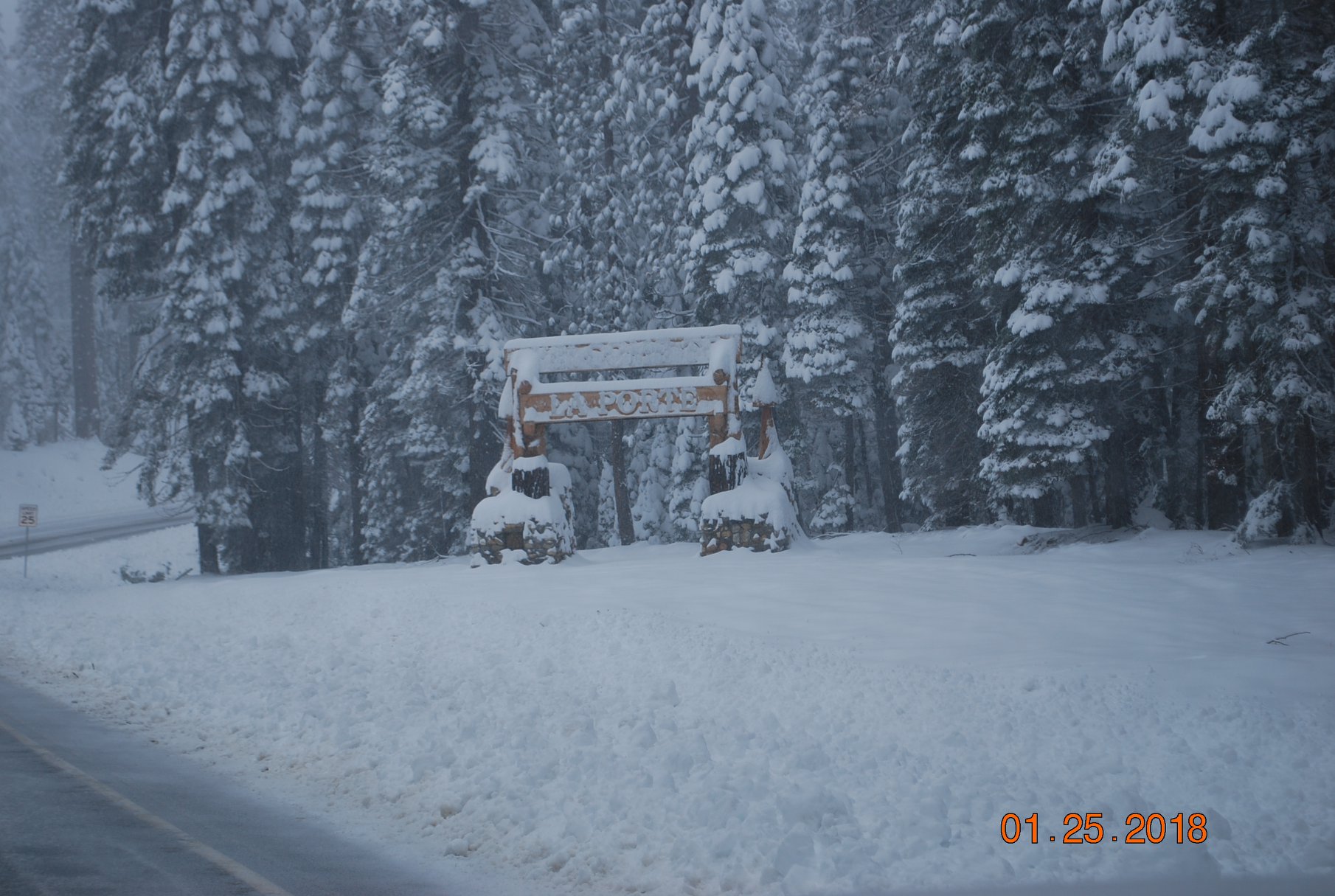
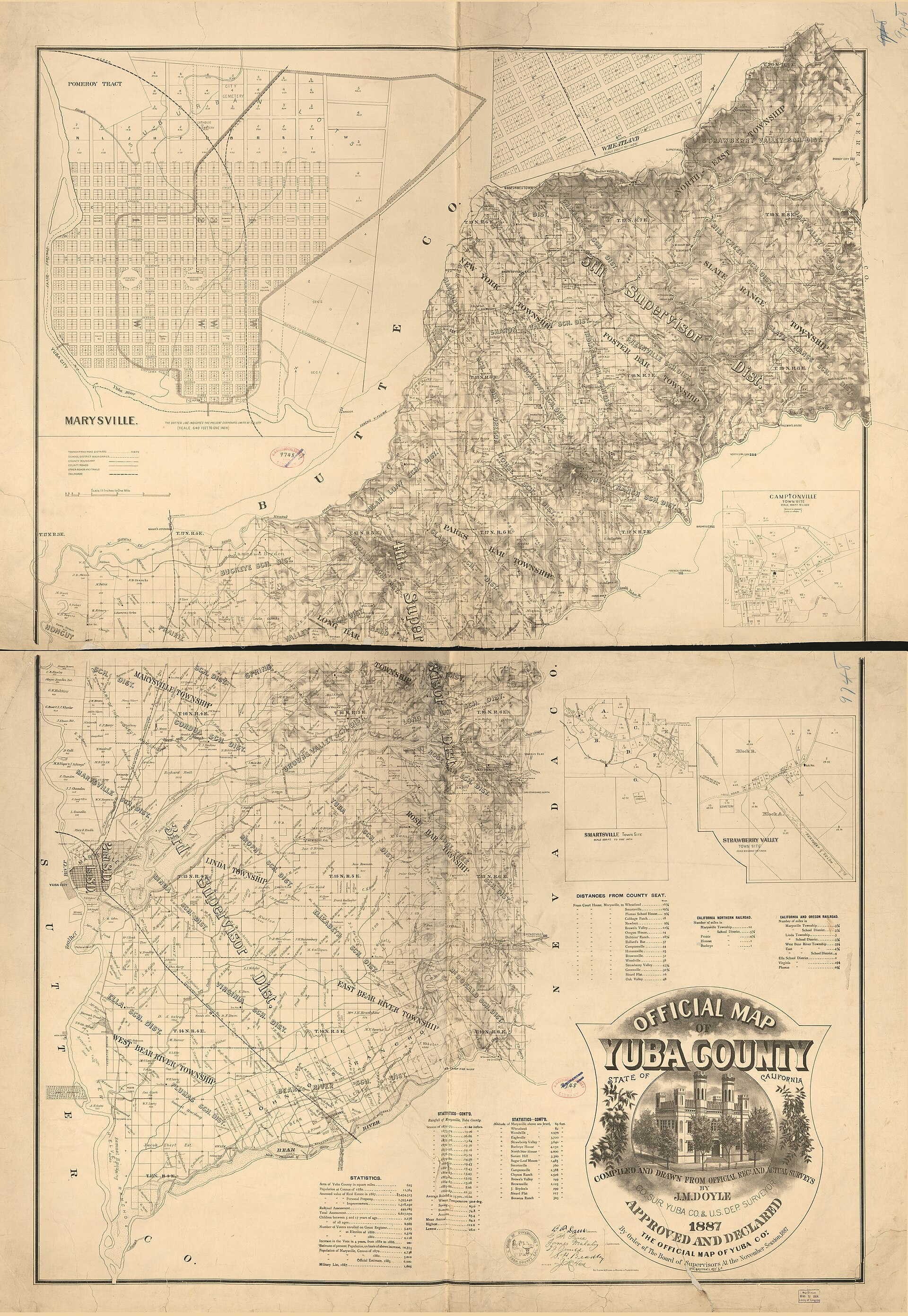
Photographs, Maps and Supporting Images
Supporting images provide documentary, geographic or visual context. Read each caption for its date, source and evidential limits.

Continue researching
Follow the evidence, context and comparisons
Curated connections
Selected editorially for this entry.
Dyatlov Pass remains an archive of frozen conditions, injuries and competing explanations, with the strongest case still grounded in the mountain rather than the supernatural.
Curated connection · Case fileThe Flannan Isles Lighthouse Keepers: A Vanishing at the Edge of WeatherThree lighthouse keepers disappeared from Eilean Mor in 1900, leaving a mystery where official records point toward sea, weather and working risk rather than fantasy.
Curated connection · Case fileThe Bennington Triangle: Missing People, Missing ContextThe Bennington Triangle is less a single event than a regional pattern built from disappearances, local lore and the human need to connect coincidences.
More through shared context
Additional routes based only on existing topics, themes and metadata.
The Isdal Woman case combines a documented unexplained death with coded travel records, uncertain identity and later forensic reconstruction. Espionage remains a possibility, not an established fact.
Same primary topic · Shared theme: Unsolved deaths · Case fileThe Franklin Expedition: Wrecks, Testimony and a Fatal RetreatThe Franklin expedition was destroyed by a compound Arctic disaster rather than a single mysterious event. Inuit knowledge and archaeology have recovered its ships, while the exact movements and deaths of the crews remain incomplete.