Hauntings & Apparitions
The Winchester Mystery House: Rooms That Kept Moving
A haunted-house legend built from grief, construction history, architectural oddity and a very persistent public appetite for story.
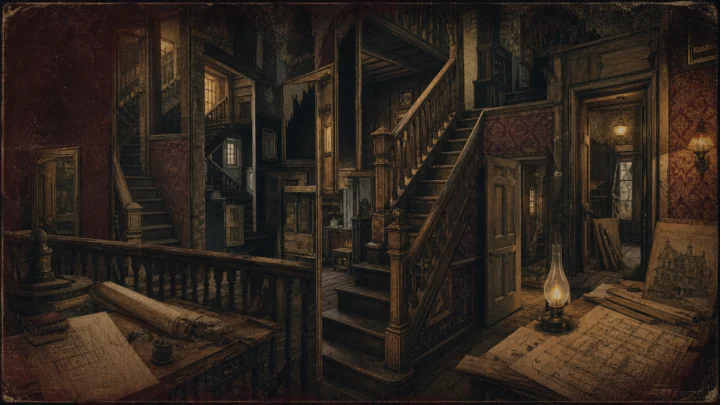
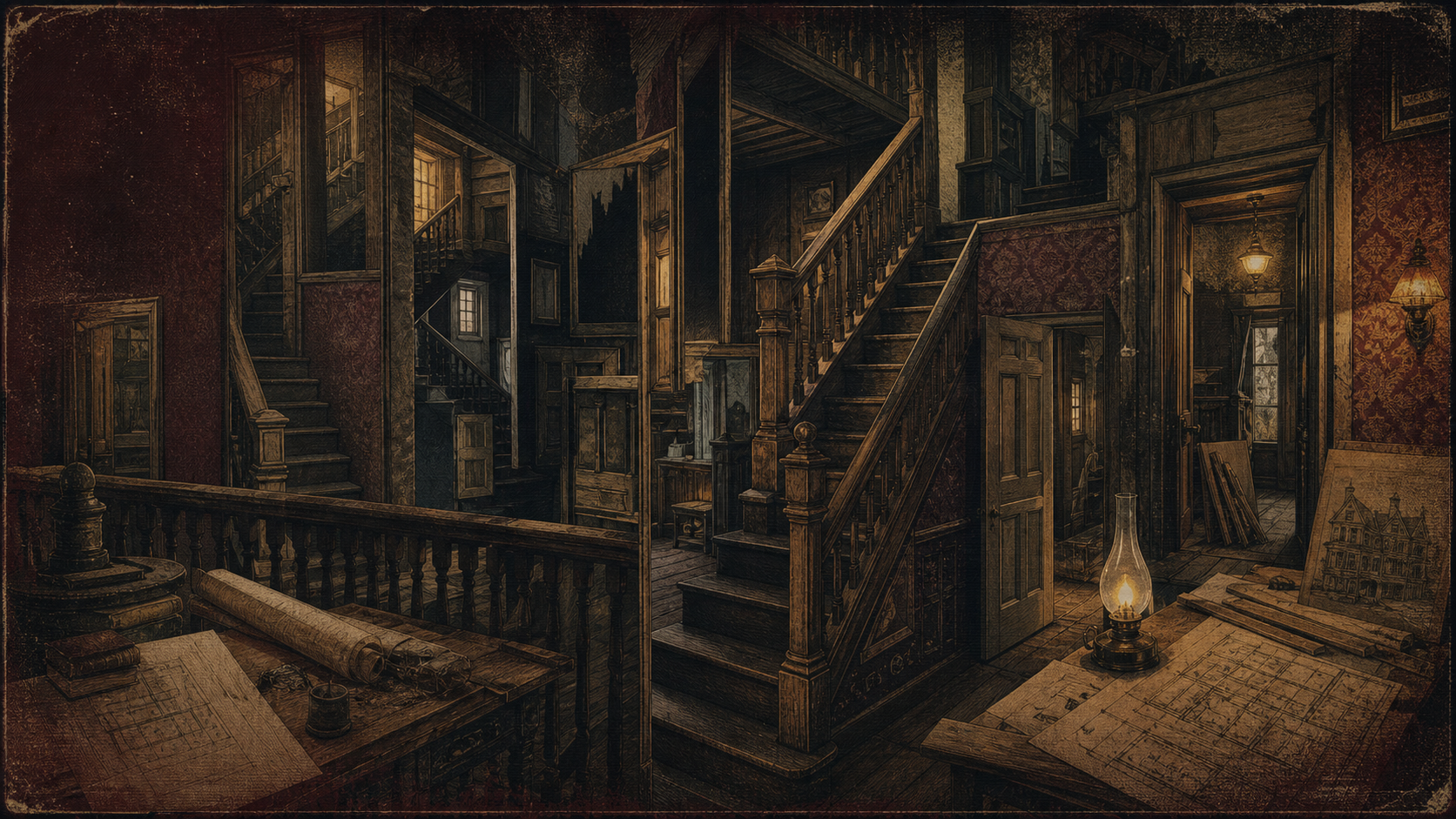
The Winchester Mystery House is easy to flatten into a haunted-house postcard: staircases to nowhere, doors opening onto walls, rooms added to confuse spirits. The real story is stranger in a quieter way. It is about wealth, grief, architecture, tourism and the way a building can become a machine for producing explanations.
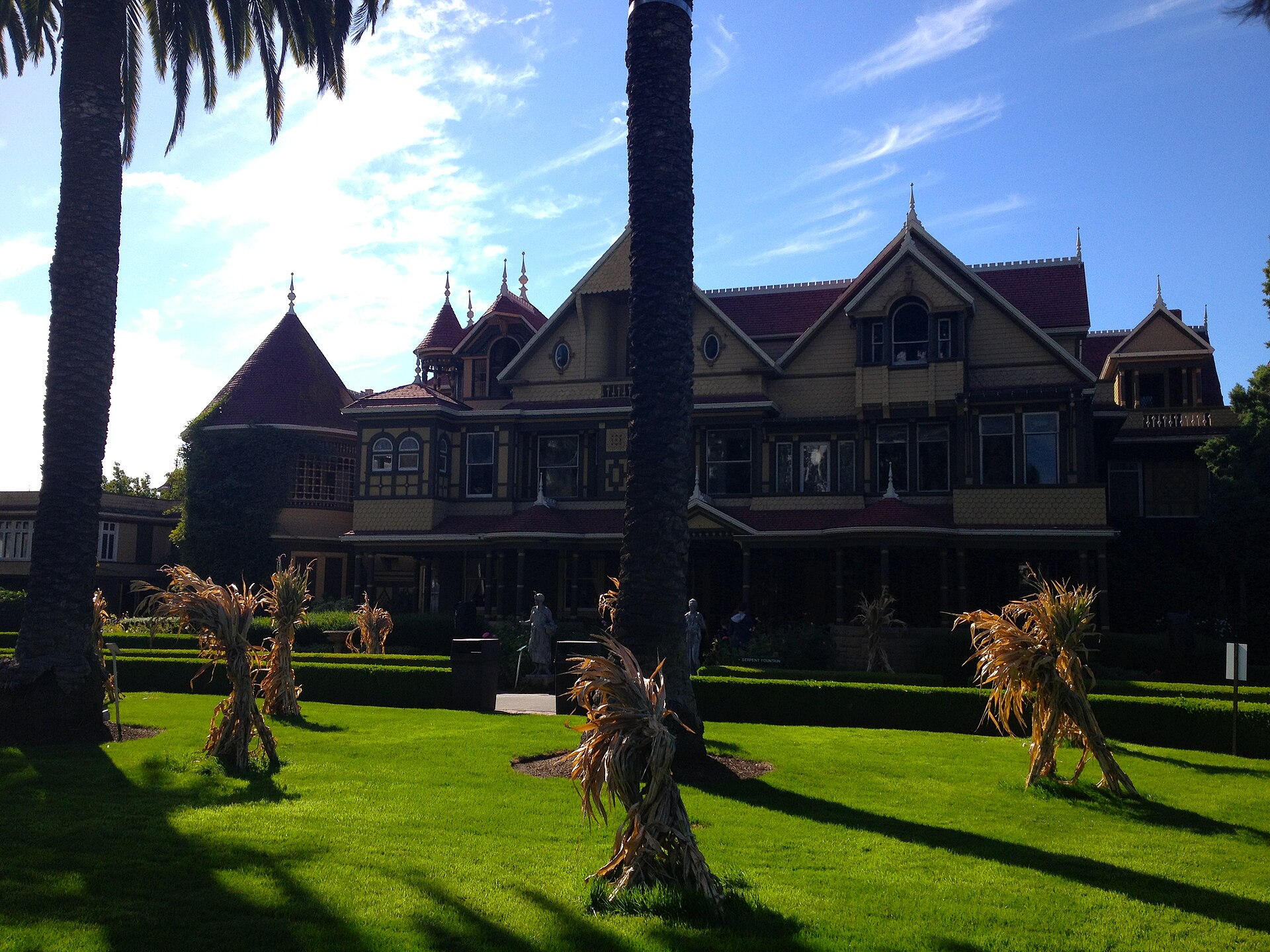
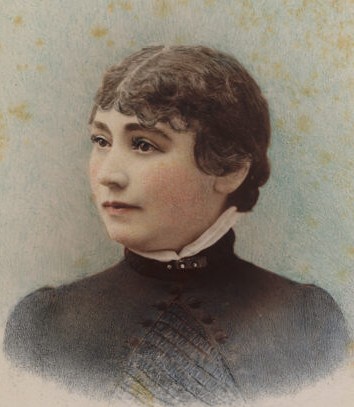
Sarah Lockwood Pardee Winchester was the widow of William Wirt Winchester, heir to the Winchester firearms fortune. After his death, she eventually settled in San Jose, California, where a farmhouse grew through years of alteration into a sprawling mansion. The house is real. Its oddities are real. The question is how much of the familiar ghost story belongs to Sarah Winchester’s documented life, and how much belongs to the legend built around the house afterward.
Sequence of events
Sarah Winchester moved west in the 1880s and began transforming the San Jose property. Work continued for many years, producing a building with unusual rooms, repeated additions, confusing circulation and architectural details that later visitors found irresistible. The 1906 San Francisco earthquake damaged the house and changed parts of its use and layout, adding another layer to the building’s complicated form.
The famous story says Winchester kept building because spirits of those killed by Winchester rifles demanded it, or because endless construction would confuse or appease the dead. That version has become central to the house’s public identity. It gives every odd door and awkward stair a supernatural motive. But a motive that is memorable is not automatically a motive that is documented.
There are more ordinary explanations for at least part of the strangeness: long-term renovation, personal taste, money, changing plans, earthquake damage, incomplete work, privacy and the habits of a wealthy owner building outside the constraints of a single finished design. None of that makes the house dull. It makes the house historical.
What is solid?
Sarah Winchester existed, inherited immense wealth, lived for many years at the San Jose property and oversaw extensive building work. The house became architecturally unusual through repeated alteration. It is also solid that the site later became famous as a mystery house, with tours, publicity and ghost stories shaping how the public reads the building.
The material facts are enough to make the house compelling. A mansion altered across decades, marked by bereavement, money, privacy and later mythmaking, does not need a single sensational explanation to hold attention.
What remains disputed?
The disputed part is the spiritual motive. Did Winchester build because of séances, guilt, haunting or fear of the dead? The popular story says yes, but the evidential basis is much thinner than the legend suggests. Later marketing and visitor storytelling have done a great deal of work.
The architecture itself can also be overread. A blocked door may be damage, alteration or unfinished design rather than a deliberate trap for ghosts. A staircase may look irrational after later changes. The safest approach is to separate the building’s documented history from the interpretive layer placed over it.
Why it still matters
The Winchester Mystery House matters because it shows how a place becomes haunted by explanation. Visitors want architecture to confess motive. Tourism rewards memorable stories. Grief invites speculation. The house sits at the meeting point of all three. It is not only a haunted-house legend; it is a case study in how buildings become biographies when the public is hungry for a plot.
Source note
Useful source trails include the official Winchester Mystery House history, reference overviews such as Britannica, architectural history, and critical writing that separates Sarah Winchester’s documented life from the later ghost-tour tradition.
Claim, Context and Cautions
Claim
A vast house was said to have been built under instructions from spirits and altered continually to confuse the dead.
Background
The true building history is messy enough without the supernatural layer: inheritance, status, loss and repeated construction all played a role.
Reported events
The house acquired staircases to nowhere, odd turns, sealed features and a public reputation that grew alongside tourism and ghost lore.
Possible explanations
Ongoing construction, personal taste, practical alteration and later storytelling can explain much of the architecture.
Sceptical view
The supernatural explanation is not required to account for the layout, but the legend remains culturally powerful.
Why it still interests people
It shows how a building can become a performance space for grief, folklore and architectural speculation.
Contextual glossary
Terms used in this entry
Definitions are offered as reading aids, not as conclusions about the case.
- Haunting
- A pattern of unusual experiences attributed to a place, including apparitions, sounds, movement or sensed presences. A location log is more informative than treating every incident as one cause.
Reference trail
Sources
- Library of Congress: Winchester House Historic American Buildings Survey (opens in a new tab)Measured-building survey and historical documentation of the house.
- Smithsonian Magazine: The truth about the Winchester Mystery House (opens in a new tab)Historical review distinguishing documented construction from the later haunting narrative.
- Encyclopaedia Britannica: Winchester Mystery House (opens in a new tab)Reference overview of Sarah Winchester, the building and its legend.
Case Book
Photographs, Maps and Supporting Images
Supporting images provide documentary, geographic or visual context. Read each caption for its date, source and evidential limits.
Continue researching
Follow the evidence, context and comparisons
Curated connections
Selected editorially for this entry.
The Bell Witch story is one of America's most durable haunting legends, but its power comes from later storytelling as much as any recoverable event.
Curated connection · Case fileBorley Rectory: The Making of a Haunted HouseBorley Rectory became a benchmark haunted-house case because witness claims, press attention, Harry Price's investigations and later criticism all gathered around one vanished building.
Curated connection · ArticleCursed Objects and the Stories We Attach to ThingsWhy ordinary objects can gather blame, awe and dread when misfortune needs a visible container.