Disappearances & Unresolved Identities
Mary Celeste: The Empty Ship That Would Not Explain Itself
The famous 1872 maritime mystery is less a ghost story than a stubborn problem of evidence, weather, cargo and missing people.
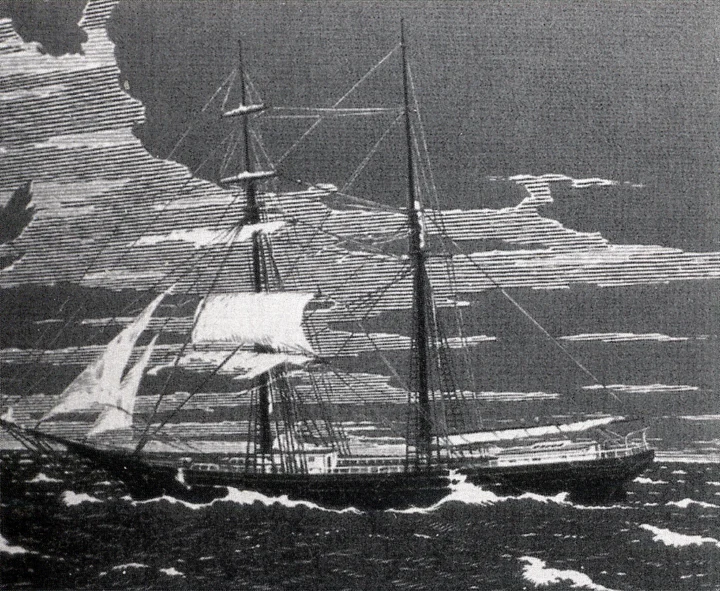
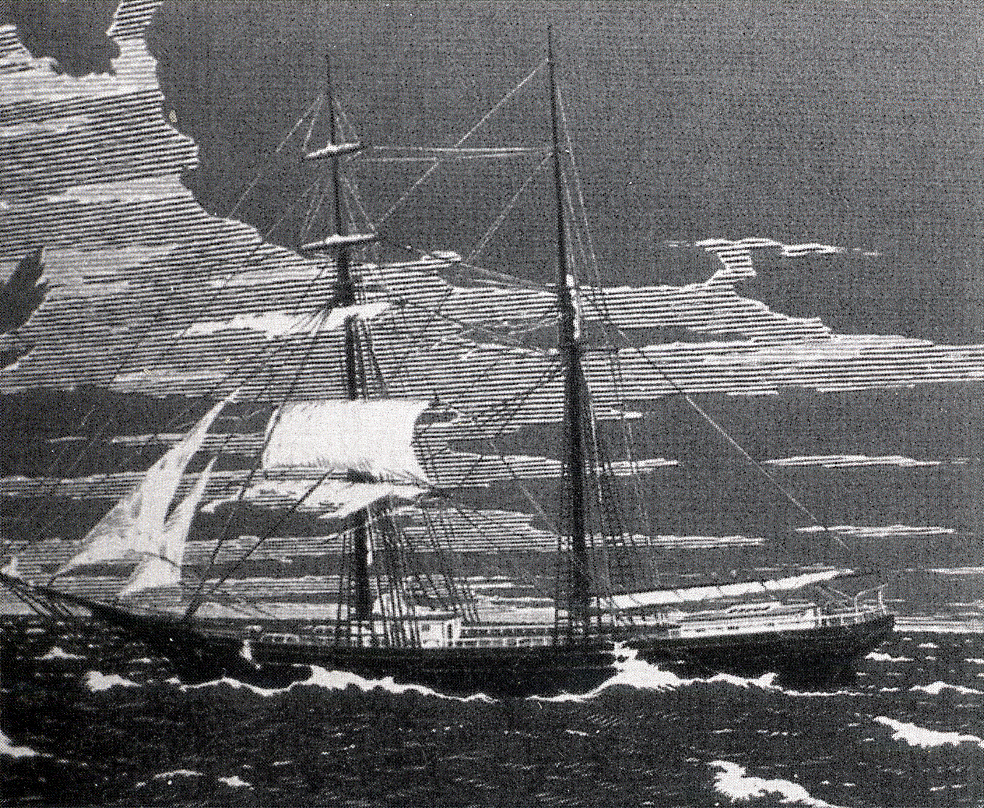
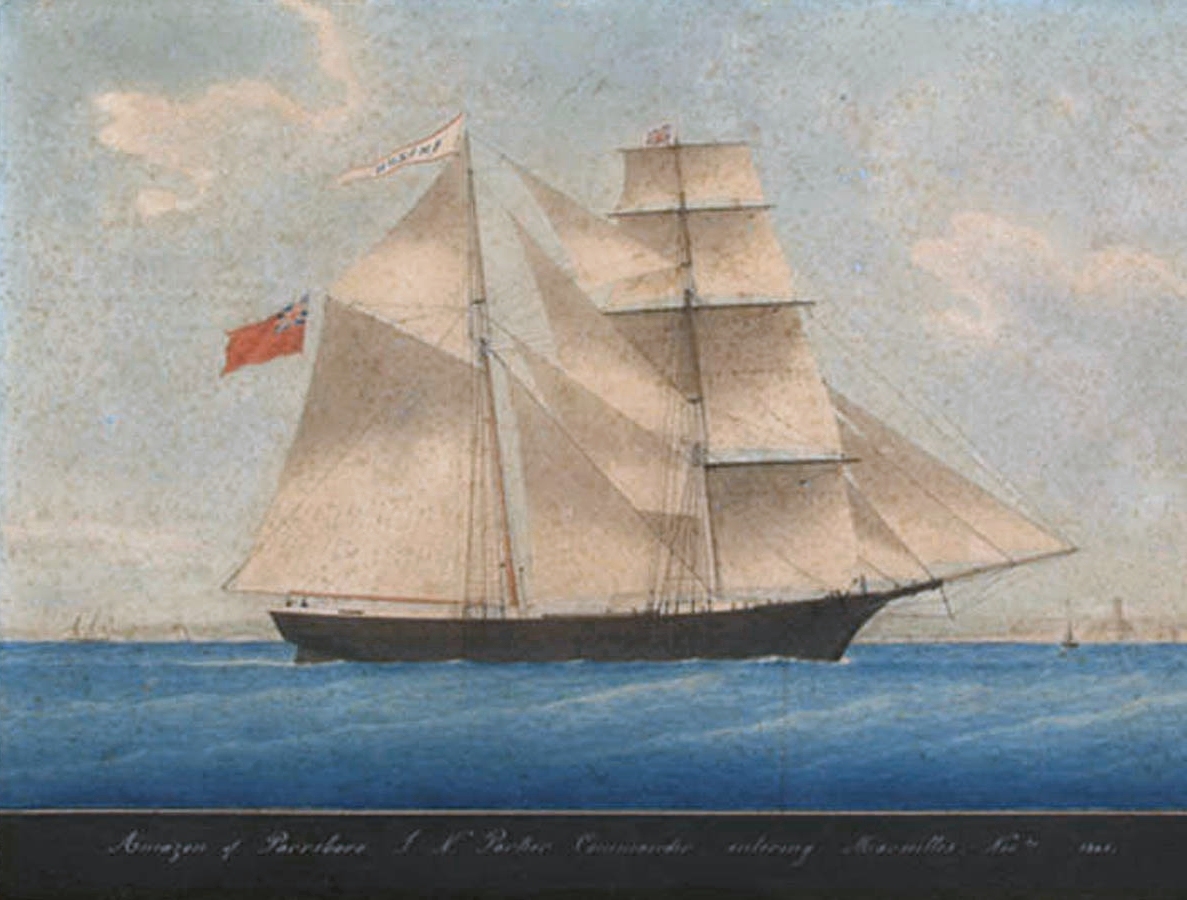
The Mary Celeste was not found as a frozen dinner-table tableau. It was found as a working ship in difficulty: damaged, wet below, partly under sail and entirely without the ten people who had crossed the Atlantic aboard her. The real case is less theatrical than the legend and much harder to dismiss.
A voyage to Genoa
The brigantine left New York on 7 November 1872 carrying 1,701 barrels of industrial alcohol. Captain Benjamin Briggs travelled with his wife Sarah, their young daughter Sophia and seven crewmen. The destination was Genoa. Nothing in the documented departure suggested a doomed or disorderly voyage.
The last surviving log information placed the ship near Santa Maria in the Azores on 25 November. Between that position and the place where the vessel was later found lies the central gap: more than a week in which the decision to leave the ship was made and no witness survived to explain it.
The encounter with Dei Gratia
On 4 December by civil reckoning, recorded as 5 December in the ship’s sea-time log, the brigantine Dei Gratia encountered Mary Celeste roughly midway between the Azores and Portugal. The vessel was moving erratically. A boarding party found no one aboard.
The ship’s boat was missing, as were navigational instruments that could have been taken during an evacuation. Sails and rigging were damaged, the binnacle had been knocked over, and water had entered the vessel, but the cargo was largely intact and the ship remained capable of being sailed. Men from Dei Gratia brought her to Gibraltar.
The inquiry and the missing sequence
A salvage inquiry examined the possibility of fraud or violence. Suspicion produced enduring murder stories, but the inquiry established no convincing evidence that the rescuers had attacked the missing party. The people who left Mary Celeste and the boat they probably used were never recovered.
The strongest family of explanations begins with a mistaken but understandable evacuation. A crew facing water in the hold, uncertain pump readings, rough weather or vapour from leaking alcohol might temporarily leave a ship while remaining attached by a line. If the line parted, a small boat could be lost while the larger vessel sailed on.
That scenario fits several known facts, but no surviving record identifies the trigger. The exact condition of the pumps, the captain’s assessment and the sequence on deck cannot be reconstructed with confidence.
How fiction boarded the ship
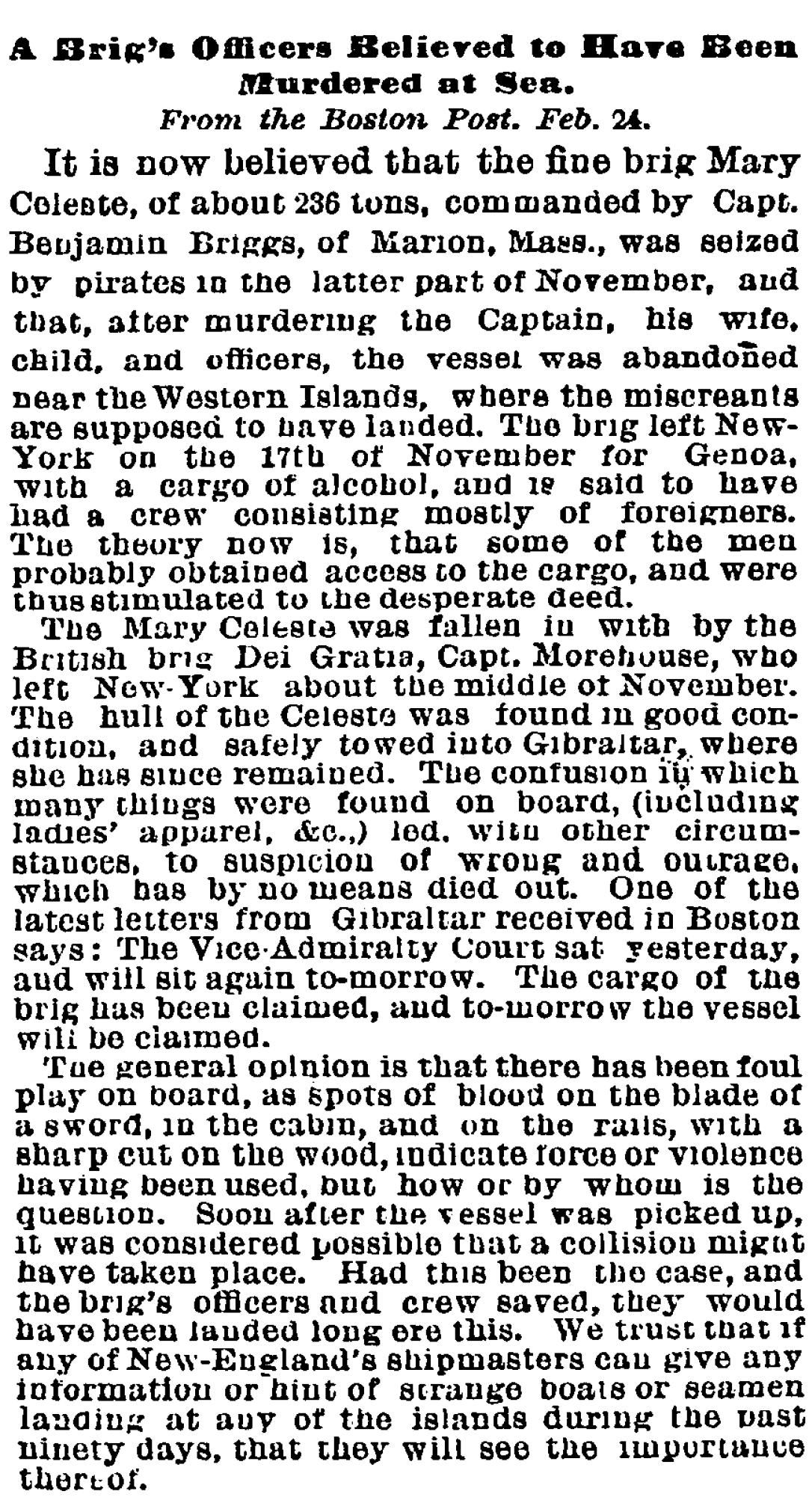
Later accounts supplied what the evidence lacked: food left warm, smoking pipes, blood, a vanished sword or a supernatural interruption. Arthur Conan Doyle’s 1884 story J. Habakuk Jephson’s Statement helped popularise a fictionalised vessel, even altering its name to Marie Celeste. Details from fiction then migrated into supposedly factual summaries.
This is why the case belongs beside the Flannan Isles disappearance. Both are genuine losses whose documentary gaps became invitations to invent a final scene.
What is solid?
Ten people sailed; the ship was later found without them; its boat and some navigational equipment were gone; the vessel had suffered damage but remained afloat; and a formal salvage inquiry followed. The last log position and the discovery position place useful limits around the disappearance.
What remains uncertain?
We do not know what Captain Briggs saw, heard or calculated before abandoning ship. Alcohol vapour, water, equipment trouble and weather remain components of plausible reconstructions rather than a proved single cause. The fate of the boat is unknown.
Why it still matters
Mary Celeste is a model of disciplined uncertainty. Enough evidence survives to eliminate many lurid versions, but not enough to recover one decisive human judgement. The mystery is not that a sound ship magically emptied. It is that a decision which may have seemed briefly necessary left no one alive to explain it.
Claim, Context and Cautions
Claim
The brigantine Mary Celeste was found at sea in December 1872 without the ten people who had sailed aboard, and no final account of their departure survives.
What is solid?
The departure, cargo, last log position, discovery, missing boat, absent people and Gibraltar salvage proceedings are documented. The ship was damaged but still navigable.
What remains uncertain?
The trigger for evacuation, the condition of the pumps, the role of alcohol vapour and the fate of the boat cannot be established from the surviving evidence.
Possible explanations
A precautionary evacuation caused by water, faulty readings, weather or fear of vapour, followed by separation from the ship, best fits the broad evidence without resolving the sequence.
Sceptical view
Warm meals, supernatural interruption and many signs of violence belong to later retellings, not the reliable inquiry record.
Why it still matters
The case shows how a genuine documentary gap can be enlarged by fiction until invented details become better known than the evidence.
Contextual glossary
Terms used in this entry
Definitions are offered as reading aids, not as conclusions about the case.
- Uncertainty
- The stated limit on what a measurement, reconstruction or body of evidence can establish. Describing uncertainty is not indecision; it prevents a result from appearing more precise than the evidence allows.
Reference trail
Sources
- Royal Museums Greenwich: The mystery of the Mary Celeste (opens in a new tab)Maritime museum chronology of the voyage, people aboard, discovery and inquiry.
- Historical Association: The Mary Celeste, the history of a mystery (opens in a new tab)Evidence-led account distinguishing the documented ship from later literary speculation.
- Phillips Library: Benjamin Spooner Briggs papers (opens in a new tab)Finding aid for correspondence and testimony connected with the Gibraltar examination.
- Wikimedia Commons: Mary Celeste engraving (opens in a new tab)Public-domain image record used by the case.
Case Book
Photographs, Maps and Supporting Images
Supporting images provide documentary, geographic or visual context. Read each caption for its date, source and evidential limits.
Continue researching
Follow the evidence, context and comparisons
Curated connections
Selected editorially for this entry.
Three lighthouse keepers disappeared from Eilean Mor in 1900, leaving a mystery where official records point toward sea, weather and working risk rather than fantasy.
Curated connection · ArticleThe Difference Between Evidence, Testimony and LegendA field guide to three words that often get tangled in mystery research.
Curated connection · ArticleThe Role of Newspapers in Spreading Strange TalesOld newspapers preserved remarkable local reports, but they also shaped them for appetite, humour and alarm.
More through shared context
Additional routes based only on existing topics, themes and metadata.
The Franklin expedition was destroyed by a compound Arctic disaster rather than a single mysterious event. Inuit knowledge and archaeology have recovered its ships, while the exact movements and deaths of the crews remain incomplete.
Same primary topic · Shared theme: Maritime · Case fileMV Joyita: The Waterlogged Ship and Its Missing Twenty-FiveJoyita’s seaworthiness problems and failed communications explain how an emergency could develop. The decision to abandon a buoyant vessel, and what happened afterward, remain unresolved.