Hauntings & Apparitions
Borley Rectory: The Making of a Haunted House
Borley Rectory became a benchmark haunted-house case because witness claims, press attention, Harry Price's investigations and later criticism all gathered around one vanished building.
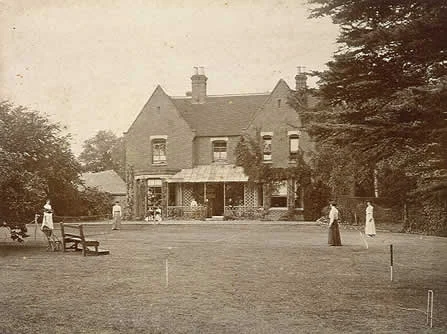
Borley Rectory became “the most haunted house in England” through accumulation. Footsteps, bells, apparitions, thrown objects, wall messages, family tensions, newspaper copy and Harry Price’s flair for publicity gathered around one Victorian building until the reputation became harder to investigate than any single incident.
Before Harry Price
The rectory was built in 1862 beside Borley church in Essex for the Reverend Henry Bull and his family. Later stories placed a ghostly nun in the grounds and supplied a medieval tragedy, but the documentary basis for that origin story is weak. Members of the Bull family nevertheless reported unusual experiences, and a local reputation formed before the case reached a national audience.
In 1928, the Reverend Guy Eric Smith and his wife moved into the rectory. They described sounds, lights and other disturbances and contacted the Daily Mirror, which in turn brought Harry Price to the house in June 1929. Publicity and investigation arrived together.
The Smiths, the Foysters and the messages
The Smiths left in 1929. The Reverend Lionel Foyster, his wife Marianne and their daughter later occupied the house. During their tenancy, reports expanded to include bells, moving objects, attacks and writing on walls addressed to Marianne. Household relationships and questions about possible fabrication became inseparable from the phenomena.
Accounts were not recorded under one consistent protocol. Some were contemporary, some retrospective, and some reached the public through writers already invested in the haunting. The quantity of incidents therefore cannot be treated as a simple count of independent evidence.
Price’s controlled haunting
Price rented the empty rectory in 1937 and recruited observers. He supplied instructions and attempted to create a continuing record, an unusually systematic gesture for a popular ghost case. Yet observer quality varied, people came knowing the house’s reputation, and Price controlled much of the interpretation and publicity.
A plan can reduce ambiguity only if it is followed consistently and its negative results are preserved. Borley generated many notes but also many opportunities for suggestion, pranks, ordinary building noise and selective reporting. More paperwork did not automatically produce cleaner evidence.
Fire and afterlife
The rectory burned in February 1939 after an oil lamp was knocked over. Photographs and witnesses found shapes in the flames and windows, adding another visual chapter. The ruin was later demolished. Price continued to publish the case, and Borley became a model for the modern haunted-house investigation.
After Price’s death, Society for Psychical Research investigators examined the record and sharply criticised his methods and reliability. Defenders challenged aspects of that report. The dispute is part of the case, not a footnote: the surviving archive is also an argument about the investigator who assembled it.
Reading Borley responsibly
No single ordinary explanation covers every anecdote, because the anecdotes came from different people over decades. That is not evidence that one supernatural cause covers them instead. Building sounds, misperception, family conflict, joking, deliberate production, local tradition and investigator influence can coexist.
The method in The Anatomy of a Haunting Report is especially useful here: separate household, date, witness, recording time and physical trace before comparing incidents. A bell heard in one tenancy should not automatically corroborate writing reported in another.
Why Borley still matters
Borley is weak as a single proof event and rich as a history of investigation. It asks who defines a case, whether publicity changes witness behaviour, how negative observations are preserved and what happens when the investigator becomes part of the mystery.
The building has gone, but its documentary afterlife remains unusually large. That makes Borley less a sealed haunted house than an open lesson in evidence, personality and the manufacture of reputation.
Claim, Context and Cautions
Claim
Successive residents and visitors reported apparitions, footsteps, bells, object movement, attacks and written messages at Borley Rectory.
What is solid?
The rectory existed, several households made reports, Harry Price investigated and publicised it, observer records survive, the house burned in 1939, and later researchers disputed Price's methods.
What remains disputed?
The independence and reliability of particular reports, the role of household members, possible tricks, Price's conduct and the interpretation of observer notes remain contested.
Possible explanations
Ordinary building effects, expectation, local legend, family conflict, pranks, deliberate production, selective publication and retrospective memory can explain different parts of the record.
Sceptical view
A large archive is not automatically a strong archive. Incidents from different years and witnesses must not be bundled into one apparently continuous haunting.
Why it still matters
Borley contains nearly every recurring problem in haunted-house research: publicity, observer influence, disputed testimony, a charismatic investigator and a legend that outlived its building.
Contextual glossary
Terms used in this entry
Definitions are offered as reading aids, not as conclusions about the case.
- Psychical research
- The organised investigation of claimed telepathy, apparitions, mediumship and related phenomena, particularly from the late nineteenth century. Its history includes field enquiries, experiments and persistent disputes over method.
- Independent evidence
- Evidence obtained through a source or method that did not derive from the claim it appears to support. Several retellings of one account are multiple copies, not multiple independent observations.
- Haunting
- A pattern of unusual experiences attributed to a place, including apparitions, sounds, movement or sensed presences. A location log is more informative than treating every incident as one cause.
- Suggestion
- Information or expectation that influences what a person notices, remembers or reports. Even a well-meant question can introduce details that were not in the first account.
Reference trail
Sources
- Psi Encyclopedia: Borley Rectory (opens in a new tab)Detailed chronology of residents, reported events, Price's work and later criticism.
- University of London Archives: Harry Price investigation records (opens in a new tab)Catalogue description of reports, diaries and observer material in the Harry Price papers.
- UMBC Special Collections: The Haunting of Borley Rectory (opens in a new tab)Collection context for Borley publications and haunted-house research.
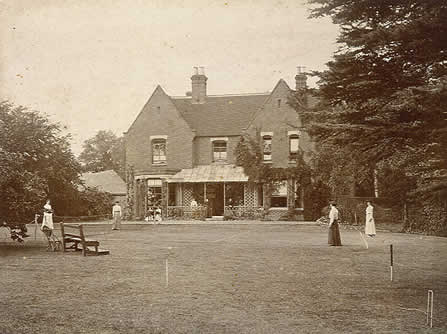
- Wikimedia Commons: Borley Rectory 1892 (opens in a new tab)Public-domain photograph record used by this case.
Case Book
Photographs, Maps and Supporting Images
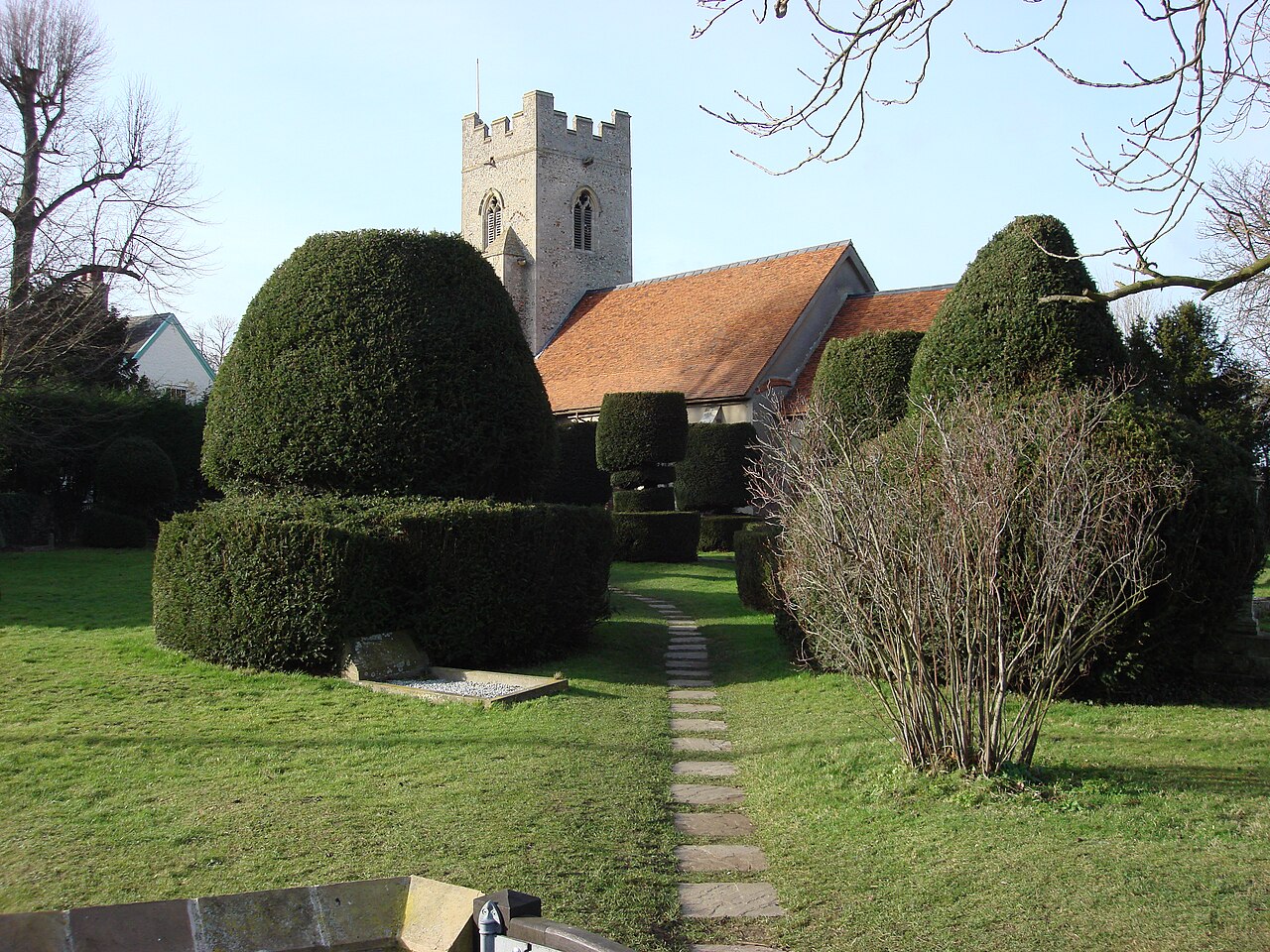
Supporting images provide documentary, geographic or visual context. Read each caption for its date, source and evidential limits.
Continue researching
Follow the evidence, context and comparisons
Curated connections
Selected editorially for this entry.
A practical guide to separating atmosphere, testimony, memory, environment and possible causes in a reported haunting.
Curated connection · Case fileThe Enfield Poltergeist: Noise, Narrative and the Council House on Green StreetThe Enfield case remains famous because it was recorded, argued over and repeatedly reinterpreted, which makes it a perfect archive for uncertainty.
Curated connection · Case fileThe Fox Sisters: Rappings, Performance and the Sound of BeliefThe Fox sisters' spirit raps helped launch modern Spiritualism, then became a lesson in performance, grief, confession and belief that survives exposure.